Memories of Angkor 2013

Deeply rooted: in Ta Prohm temple, one finds ancient and gigantic tree growing from the temples. A tourist asked her tour guide: which came first, the temples or the trees?

Deeply rooted: in Ta Prohm temple, one finds ancient and gigantic tree growing from the temples. A tourist asked her tour guide: which came first, the temples or the trees?

Last week, I went on a trip that would forever be etched in my heart and memory. I arrived in Siem Reap, Cambodia after a comfortable three-hour flight direct from Manila c/o Cebú Pacific. I must reveal that after flying with Cebú Pacific for years, finally, this was my first trip ever with them that was on-time! Not a single delay! We even arrived a good ten minutes before our ETA.

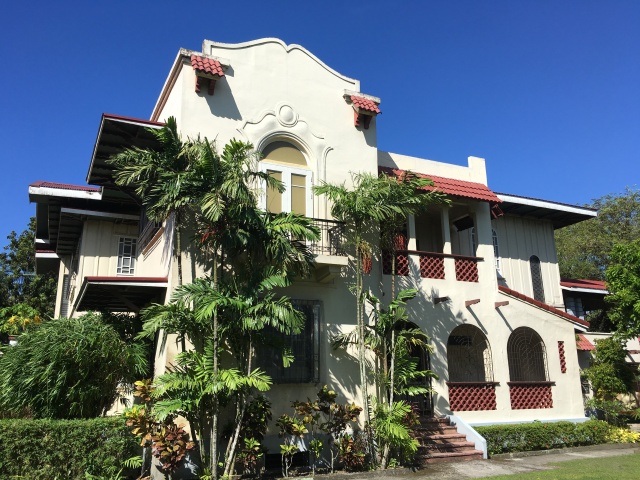
That French colonial flair

That French colonial flair

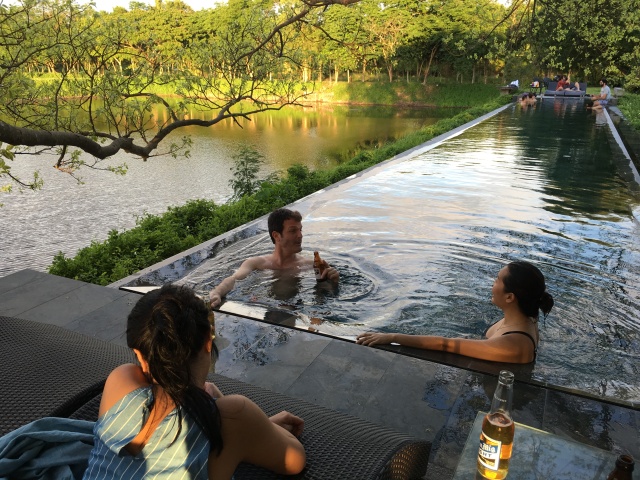
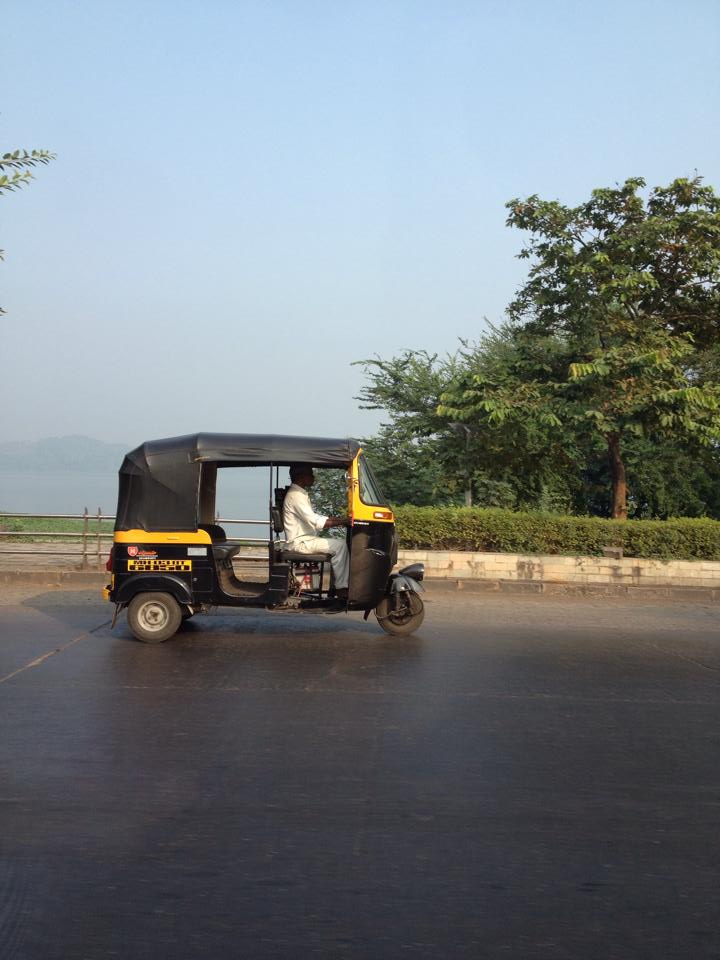
Anyway, we landed at past 10 in the evening (Cambodia is one hour behind Manila, fyi). We were fetched by the tuk-tuk driver of Mom’s Guest House Hotel (99 Wat Bo, Siem Reap) and finally arrived in the clean and simple guest house after 15 minutes. Welcomed by the manager himself, Mr. Chhay, who speaks good English, and who seems to have a permanent smile on his face, our first few minutes in Cambodia sent a very good feeling that the trip would be a successful one. Here is their website: http://www.momguesthouse.com/

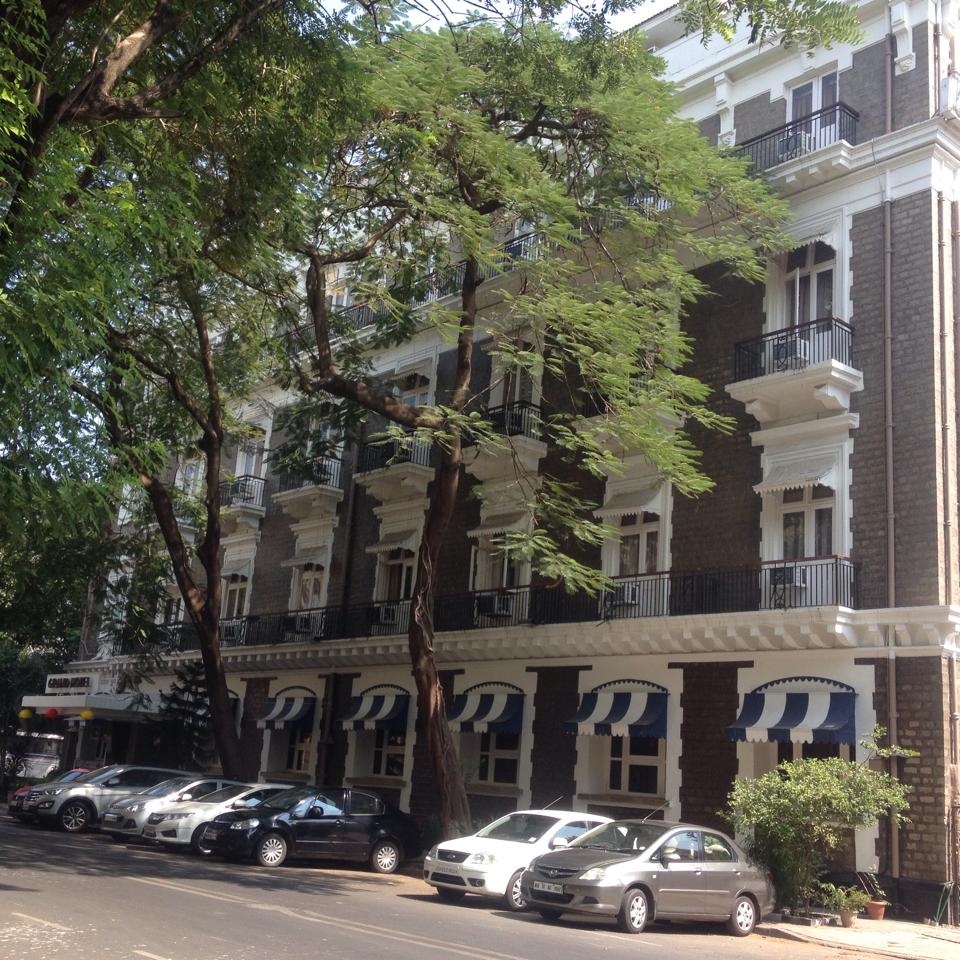
Charming French-colonial shophouses line Pub Street

Charming French-colonial shophouses line Pub Street

And surely it was.

My trip to Siem Reap once more opened my mind and heart to the great possibilities of cultural heritage preservation and tourism.

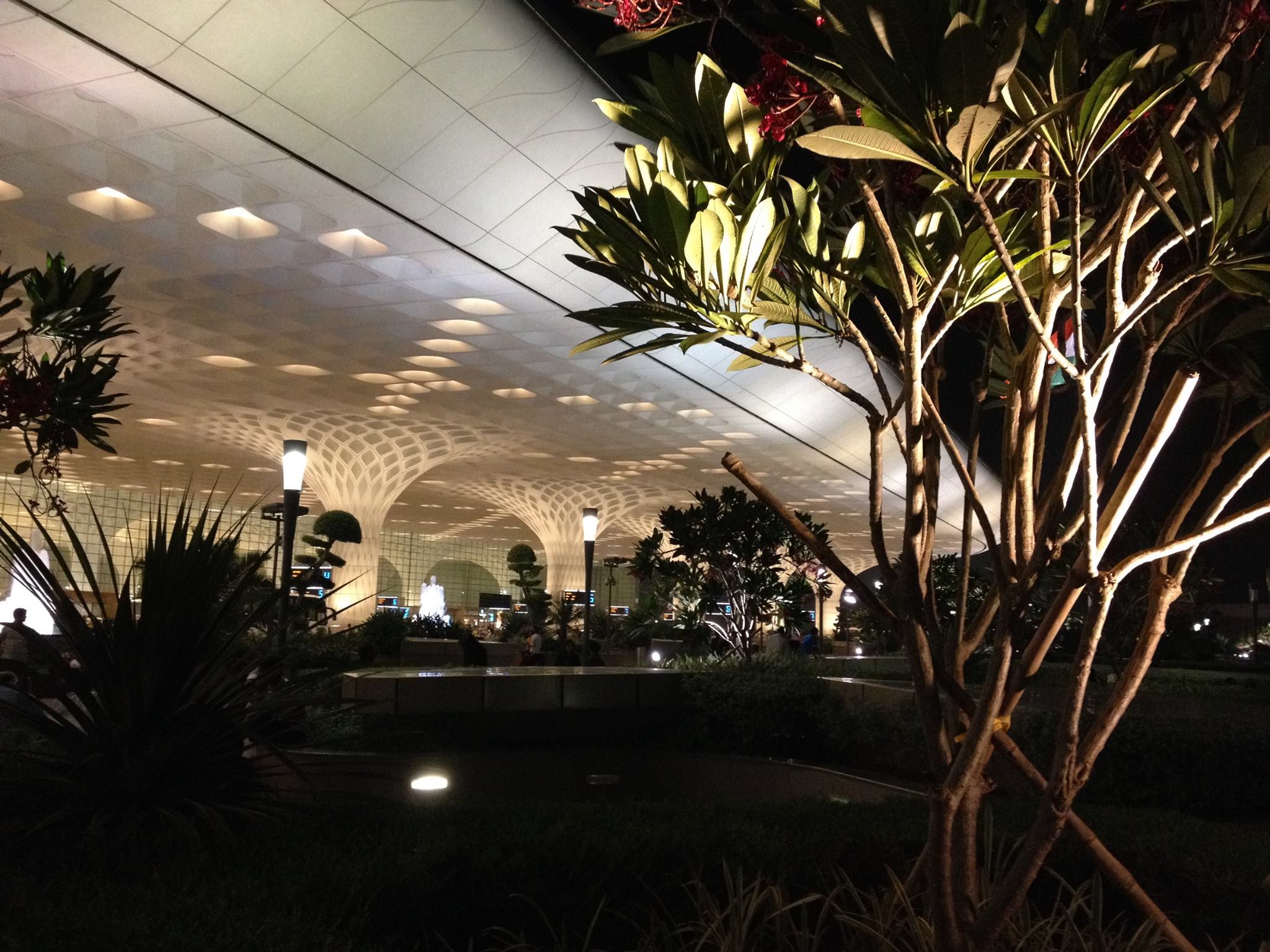
The very first thing that caught my attention was their aesthetically Khmer international airport. Small and well-lit, it was designed featuring both Western and distinctly Khmer styles tastefully integrated into a cohesive whole. Immediately upon arriving, you could see that culture plays an important part in the lives of the people who reside in Siem Reap province.

Secondly, there was Pub Street, which featured the French-colonial history of Cambodia. One shouldn’t forget that the Westerner who popularized Angkor Wat was the French naturalist Henri Mouhot. Although Mouhot was not the first Westerner to have seen Angkor, he undoubtedly popularized it with his evocative writing. Indeed, the entire time I was there, one thing was running in my head: how did Mouhot actually feel when he accidentally encountered Angkor Wat and all the other temples, which were then found deep in the jungle? A little bit of trivia: Mouhot’s own tomb in modern-day Laos was “lost” in the jungle and was accidentally discovered again in 1990! When Cambodia was made a French Protectorate and colonized by France, indeed, it adapted many of the French’s ways including the preference for baguette and yes, the café culture.

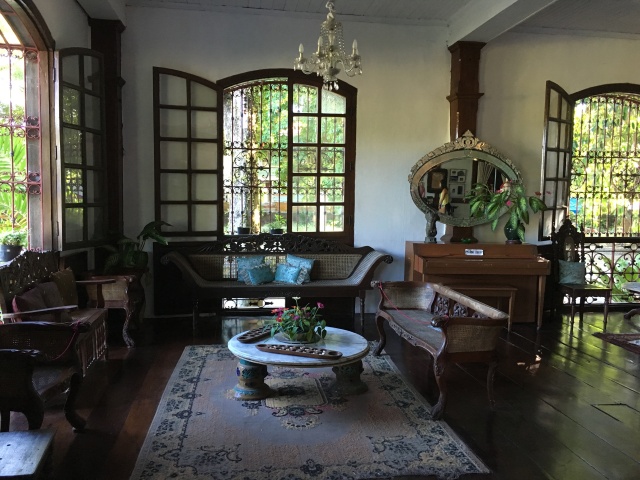
One thing I will associate to this point is the revered state of the French language and culture in Cambodian society (well, as I saw it in Siem Reap at least). Upon arriving at the airport, signs and instructions were written in Khmer, French, English and Chinese. Along Pub Street, the cafes and restaurants not only offered a wide array of continental cuisine; they also gave off the French-colonial vibe. Housed in charming, colorful and creatively reused colonial-era shophouses, the furnishings were also reminiscent of old Cambodia. One could just imagine early French settlers fanning themselves in the Cambodian heat while enjoying a fruit juice and reading a French newspaper.

Undoubtedly, the local Cambodian leaders know how to utilize (even exploit) their colonial heritage by still using French in signboards (some schools still bare French subtitles below Khmer characters) and other visual effects. Although a small percentage of the population still speak French (but there were A LOT of French-speaking tour guides! There were also Russian, Chinese, Spanish and English-speaking Cambodian guides!!!), including the “mom” in our guest house, it is still used not only to reconnect with their French heritage but also use it for practical ends (such as accommodating French-speaking tourists). This was the same observation I had in Macau, where Portuguese is everywhere. Unfortunately, here in the Philippines, Spanish is already practically absent in the daily lives of people. There are no signboards in Spanish and many of the Spanish-sounding streets have been changed (e.g. Avenida Rizal is now more known as Rizal Avenue). Sadly, our narrow-minded, American-educated politicians have nothing else but American English in their feeble minds.

Picturesque sunrise at Angkor Wat

Picturesque sunrise at Angkor Wat

Pub Street is an amazing and tangible example of how modern meets old and how heritage can be utilized for very modern ends. Tourists of all races flock to the shop houses, some chic, some sketchy, to have appetizers and drinks and also brunch and dinner. Some of the shop houses have also been transformed into art galleries and stores which sell artisan crafts. Tip: one should save up on good silver, exquisite silk and fantastic sculptures as these can be bought in abundance in Siem Reap. Skip the cheap souvenirs such as table runners and scarves for Greenhills!

Exquisite and intricate bas relief line the walls of Angkor Wat

Finally, the temples spoke so much about the potential of local cultural heritage in international commerce. One cannot discount the fact that people go to Siem Reap for one thing: to visit the ancient temples of Angkor. Now, one must not be mistaken into thinking that the temples are mere structures or worse, ruins. No, these are living proofs of human history. What do I mean? They are tangible expressions of the triumphs of the human spirit, of the human abilities for art, architecture, style and even, transcendence. As these were temples and not necessarily residences, they express the ancient desire of human beings for unity with the higher forms of life. One must remember that Angkor Wat is the biggest religious structure in the world. Hence, one must take into consideration the driving spirit behind the construction of such world wonder.
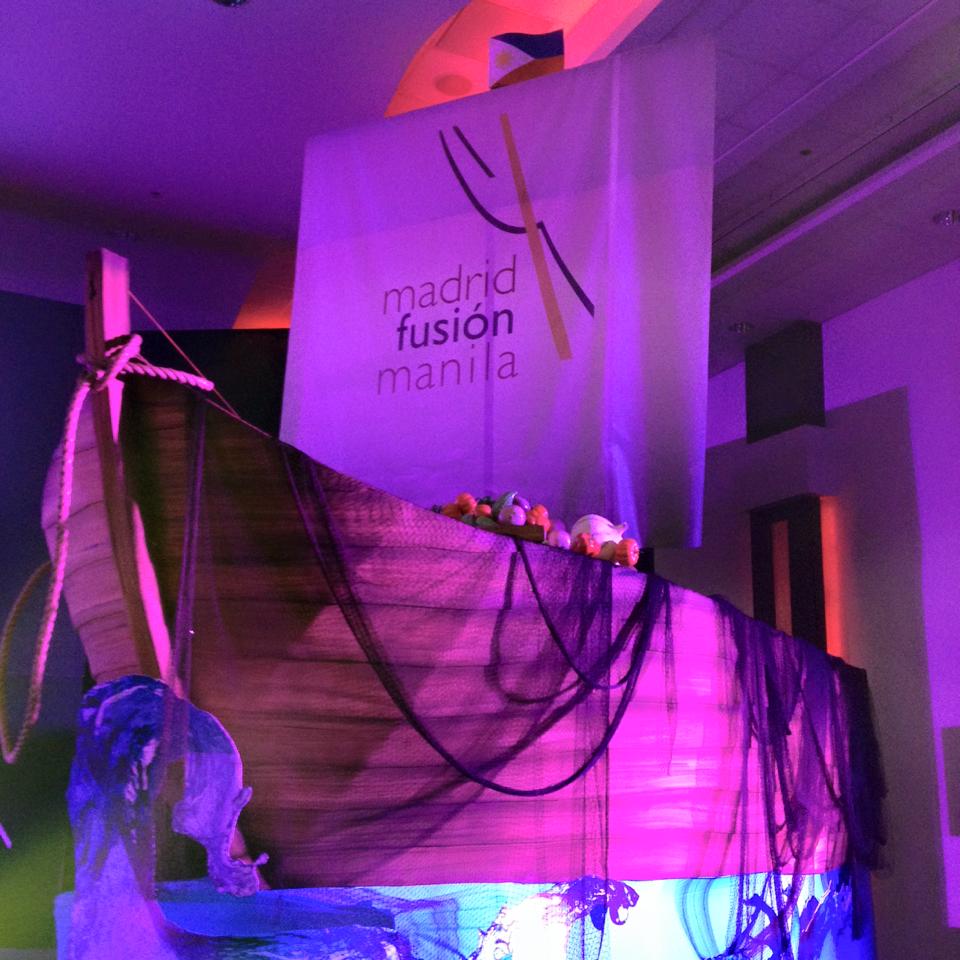
The reclining Buddha of Angkor Wat is visited daily by thousands of tourists and devotees daily. It is found at the top of Angkor Wat

The reclining Buddha of Angkor Wat is visited daily by thousands of tourists and devotees daily. It is found at the top of Angkor Wat

Resting near a world wonder

Resting near a world wonder

If one is properly oriented, thus the act of visiting the temples wouldn’t be cumbersome despite the heat and humidity. When I visited, it reached 40 degrees. That was hot. Extremely hot. And yet, I managed to enjoy myself because thinking, reflecting and observing the small details of each temple I visited made me more appreciative of the human search for the true, good and beautiful.

the faces of Bayon Temple

the faces of Bayon Temple

the temple Peak Nean located in the middle of a man-made lake

the temple Peak Nean located in the middle of a man-made lake

It can get boring and really exhausting but one should surely visit Angkor Wat, Bayon with the faces and Ta Prohm with the gigantic trees as well as Bantay Samrei temples if one shall visit Siem Reap. There is no denying that the ruins as well as the restored/preserved art works related to each of the temples touch the very core of a human’s spirit. They are simply beautiful. Beauty, on the other hand, inspires us for the search of truth and goodness.

Biking outside Bayon

Biking outside Bayon

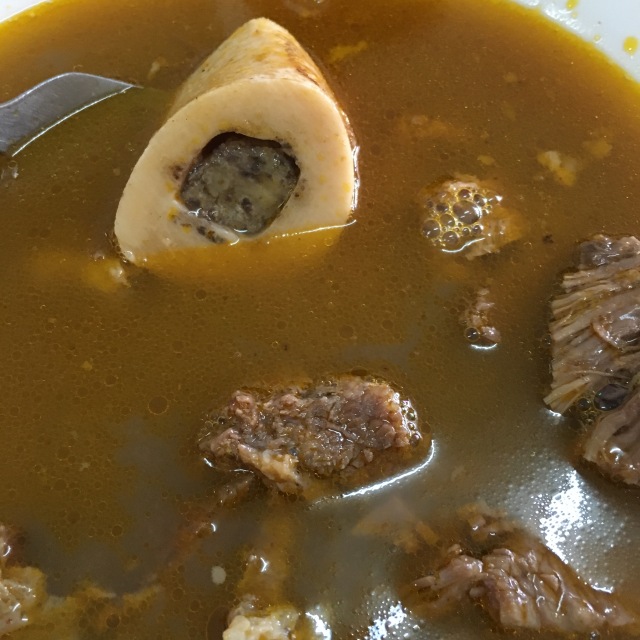
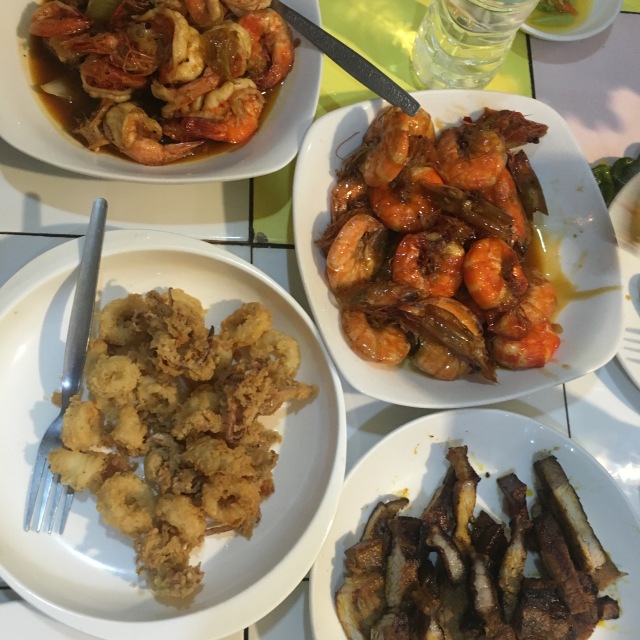
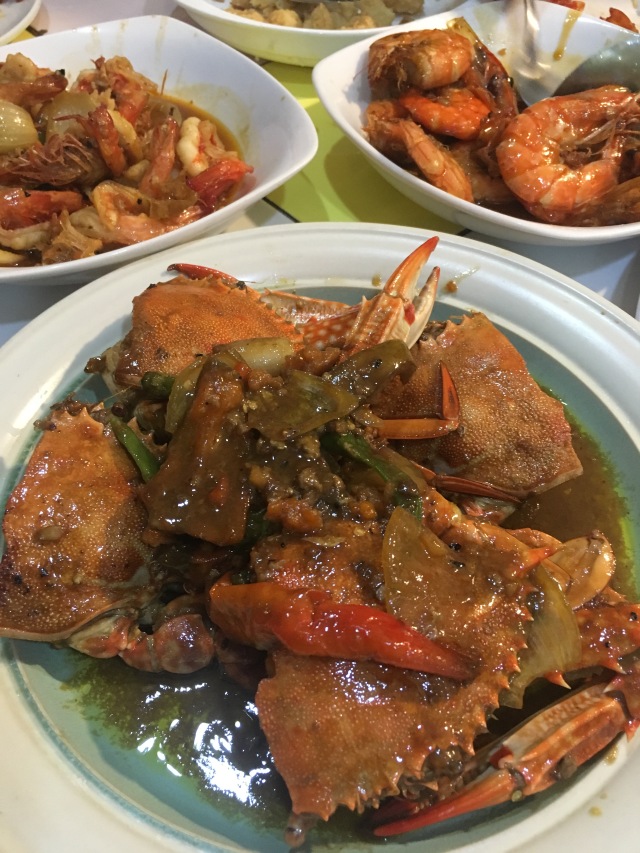
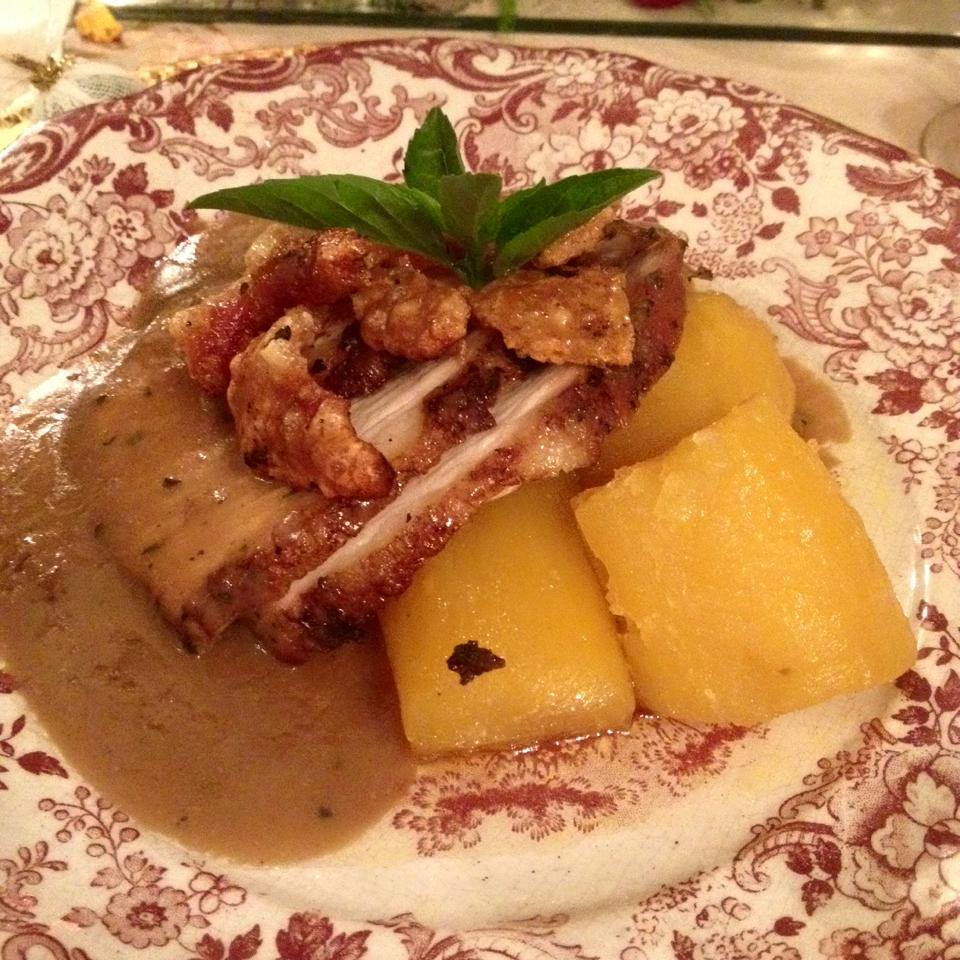
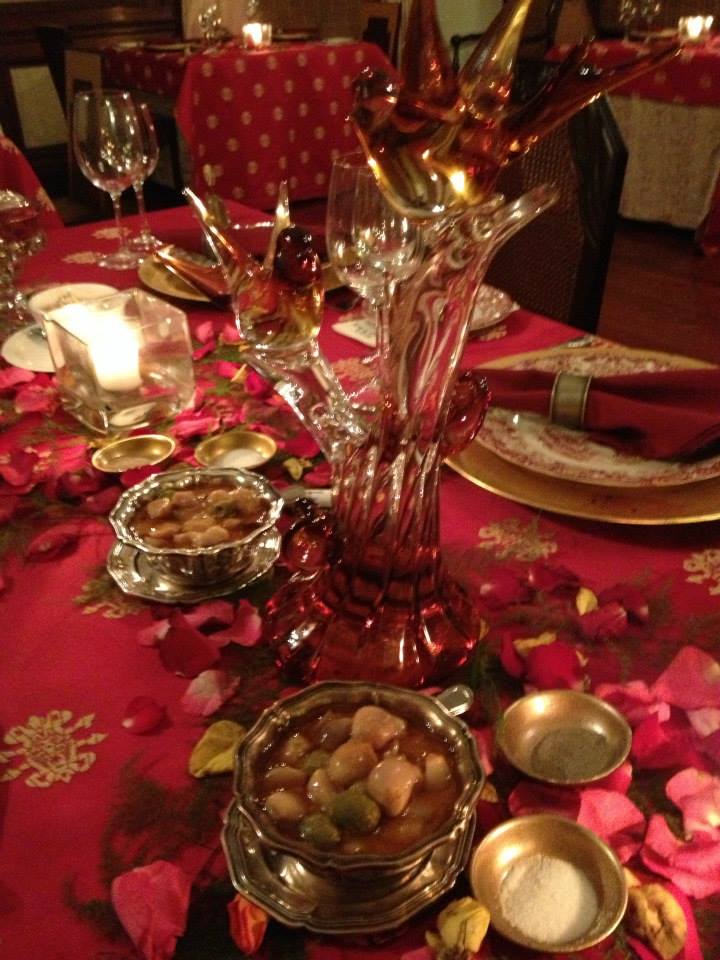
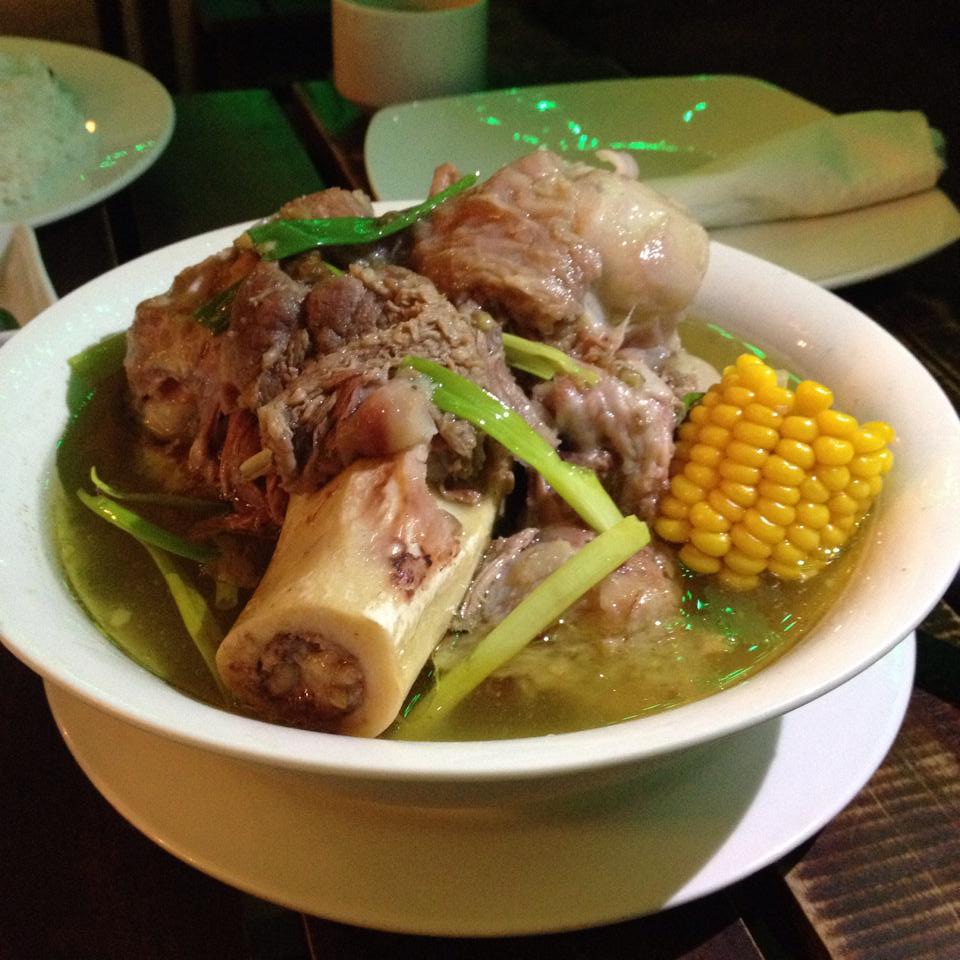
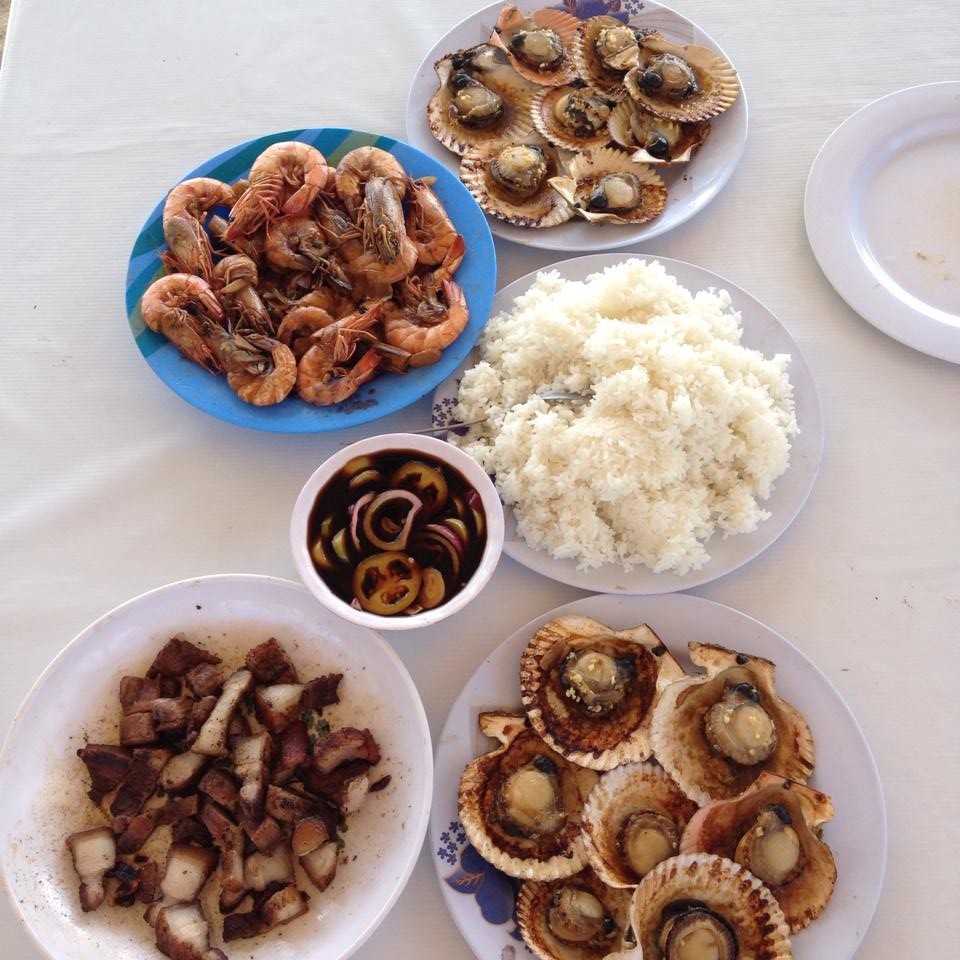
And of course, the temples speak of the great potential of local heritage being utilized fully. For example, Khmer cuisine was totally absent in my consciousness. Before I left Manila, I had no idea what Cambodian food would be like. But the very first time I tried Shrimps Amok, I fell in love with their light food. Their food isn’t as overwhelmingly spicy or complex as other Southeast Asian foods are. They are starkly different from Philippine dishes too. Their curries aren’t too heavy while their stir-fried noodles aren’t too convoluted as compared to others. Their food, in short, is simple, light but healthy. I had the best spring rolls during this trip and also the freshest freshwater fish too.

Great meal of Chicken amok and fresh spring rolls

Great meal of Chicken amok and fresh spring rolls

Anchor Beer came cheap with it ranging from 50 cents to 1.00 USD. Some foods can be expensive but these are all worth it. In my hotel, after spending hours of walking in the temples under the unrelenting sun, I enjoyed cold fresh watermelon shakes for only 2 dollars a glass. Now that was cheap!

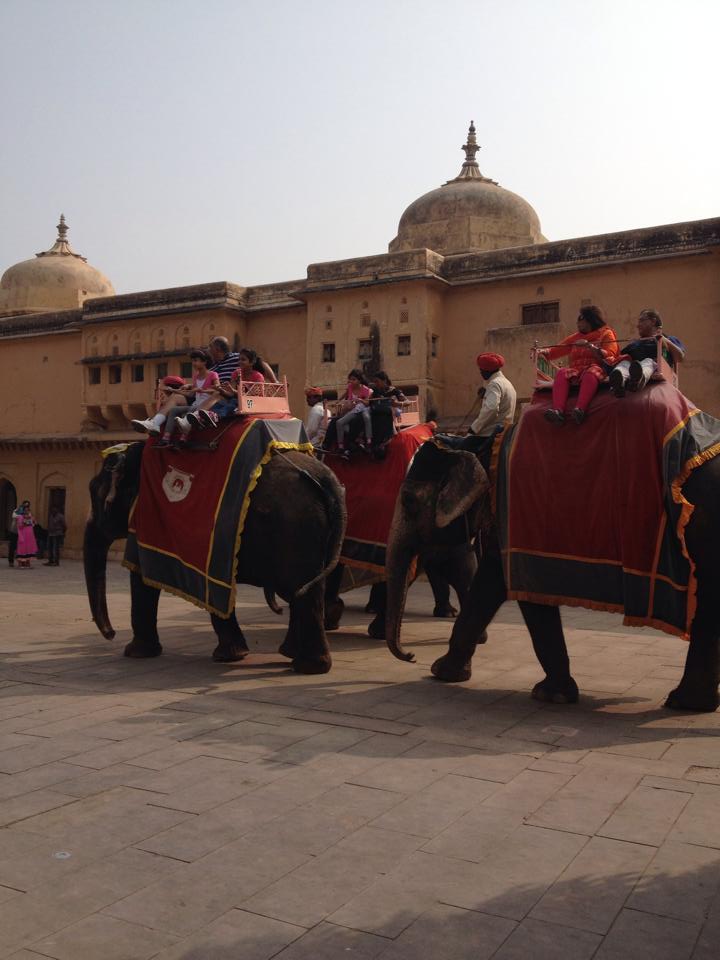
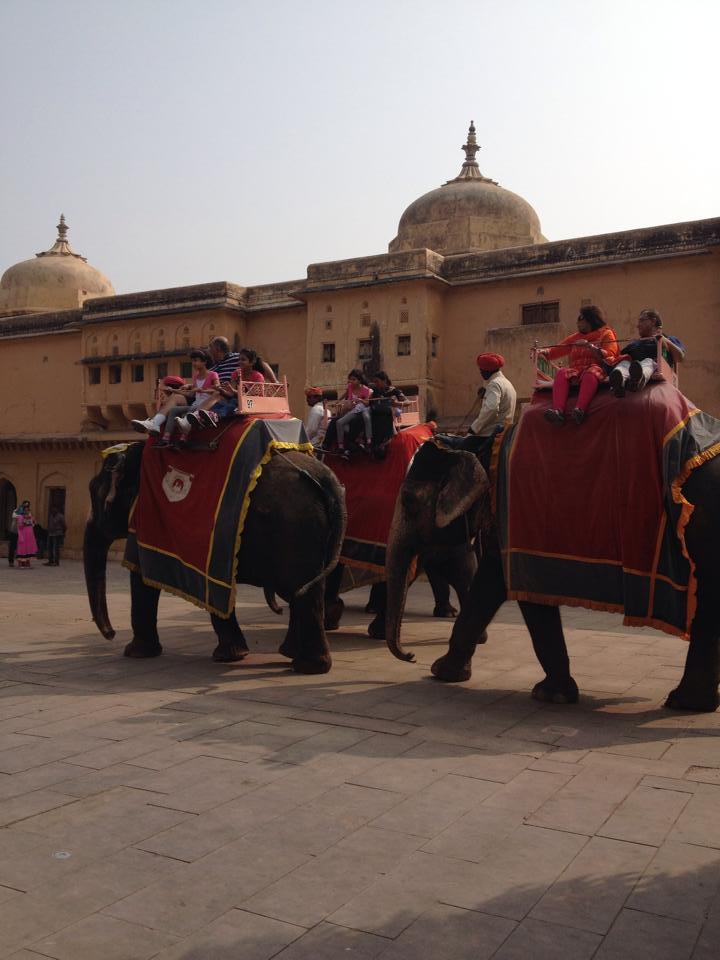
Elephants passing by

Elephants passing by

Finally, local crafts and products are heavily marketed for souvenirs. Again, local heritage is tapped whenever local products or traditional crafts are sold as the primary forms of souvenirs. Obviously, there were the shirts, key chains and magnets, which are Western kinds of souvenirs, but what sell more, are the wooden carvings, the heads of Buddhas, the scarves, local coffee beans and other local products. This is something we need to learn here in the Philippines. We need to study, research and utilized what is ours so that tourists do not feel frustrated.

That chic vibe of genuinely Cambodian meeting modern standards

That chic vibe of genuinely Cambodian meeting modern standards

Why would they be frustrated anyway? Well, because what they are looking for (in general) is the local and genuine. They are looking for the culture and not some massive airconditioned mall (ehem, SM). Yes, comfort is a big thing (almost every restaurant and hotel in Siem Reap has wi-fi) but what is more important is the cultural uniqueness of a place. That is the bigger come-on, the more profitable product worth marketing.

For me, one of my best experiences in Siem Reap was biking from my guest house in Wat Bo all the way to Angkor Wat. I woke up at 5:30 AM to catch the 5:50 AM sunrise. I arrived in Angkor Wat soaking wet from sweat (as compared to the clean-looking tourists who came in aircon buses and tuktuks) but when I saw the sun rise majestically over Angkor Wat, that small irritation of walking around in a sweaty polo was forgotten completely. That entire day, I biked a total of more than 20 kilometers and on my last hour, the rain fell like cats and dogs. I was soaking wet and the only thing that protected my cellphone, wallet and camera was a plastic bag and my straw hat. But when I came back to my guest house, I was ecstatic, happy and filled with gratitude.

Tip when visiting the temples: take your time, rest and savor every moment. Do not rush the visits.

Tip when visiting the temples: take your time, rest and savor every moment. Do not rush the visits.

A FEW TIPS:

What to bring: Siem Reap trades primarily in US Dollars. Be ready upon arriving with small change. A tuktuk trip from one point in the city to another should only cost you a dollar or two. Also, bring sunblock and mosquito repellants.Luckily, I barely saw any mosquito during my visit. Wear light clothes and use a hat.

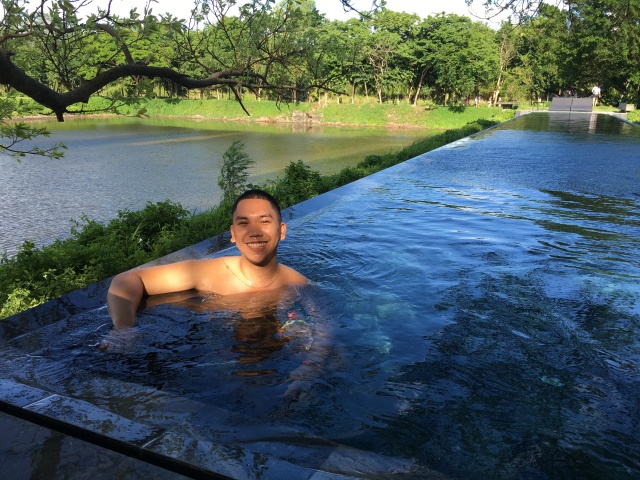
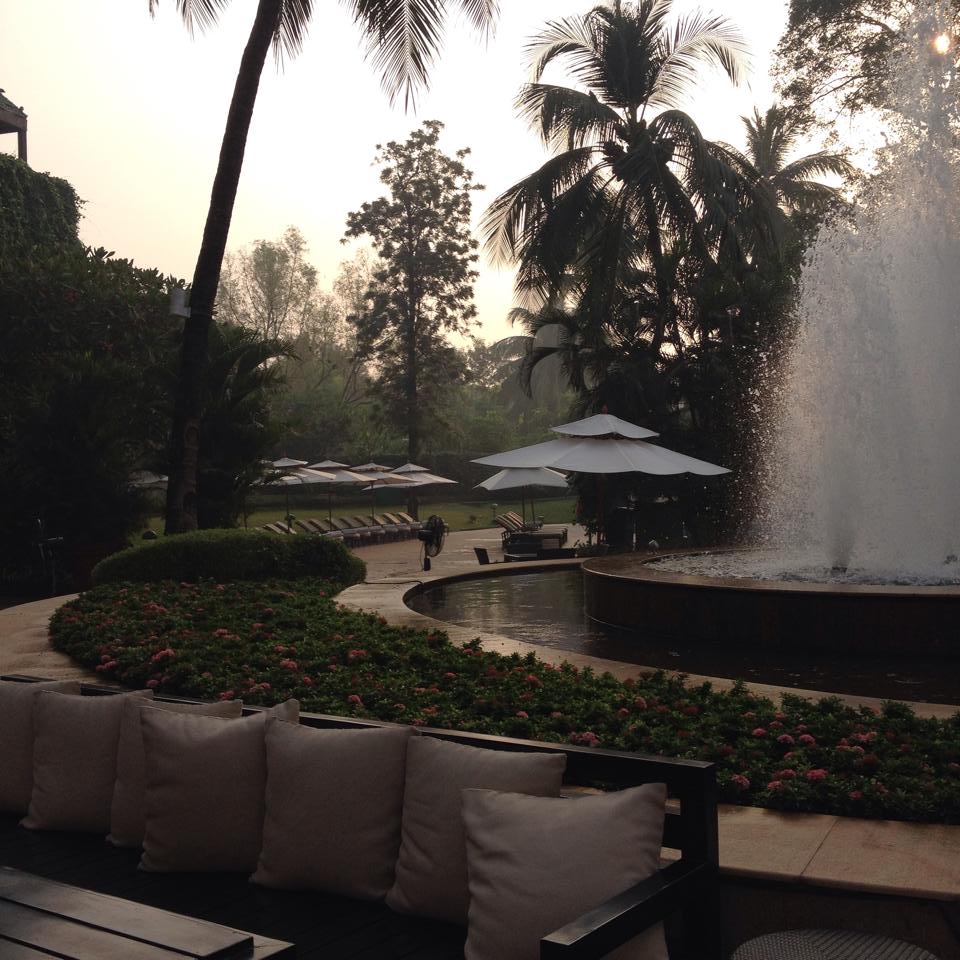
Where to stay: Stay in the Wat Bo area, which is relatively near Pub Street, the Old Market and the Night Market which serve as the lifeblood of Siem Reap’s small downtown area. Staying in guest houses too near Pub Street means security risks. Again, I highly recommend Mom’s Guest House. For 28 $ a night (room for two-four), it offers free breakfast, free airport transfer, and it shares a pool with another guest house. The staff is very, very friendly and helpful.

Where to eat: Eat in local restaurants as well as side kiosks. The stir-fried noodles are good in the small, mobile kiosks. Have your coffee in classy cafes like the Red Piano and at the FCC Angkor. One should try beef loklak,
any variant of Amok (which has curry), Khmer Kurry as well as their Khmer barbeque. Try having their seafoods too which are freshly caught in Tonle Sap lake (which I do not recommend visiting)

What to visit: This one, I cannot dictate. But if you’re pressed for time and only have two days for Siem Reap, you must visit Angkor Wat (do catch the sunrise but you have to beat the bus-loads of Chinese and Korean tourists who are generally unruly), Bayon Temple, Ta Prohm and Bantay Samrei. Also, if you still have the energy, try to catch the sunset at Phnom Bahkeng or Pre Rup. Likewise, if you have time, try visiting the temples by biking. It is a truly memorable experience!

By the way, my total budget was just 275 USD. That was from Sunday evening to Thursday evening.

Posted in GUIA: TOURS, VIAJES | Tagged , , , , , , , , , | 2 Comments

La Visita Iglesia: Notable Churches in Metro Manila

The scourged Christ at the Pillar from the Pagrel Collection of Don Luis Araneta, on loan to the San Agustim Museum

The scourged Christ at the Pillar from the Pagrel Collection of Don Luis Araneta, on loan to the San Agustim Museum

Today, Maundy Thursday, Filipino Catholics engage in an ancient Roman practice of visiting churches as a penitential and devotional act. However, with more and more Filipinos leaving their cities for the beaches (which they do anyway on any other long weekend), many are losing the opportunity of not putting attention on their spiritual nourishment but also the chance to re-connect to their city’s rich history and heritage.

Here I present to you a list of my own personal favorite churches in Metro Manila which are either steeped in tradition or aesthetically pleasing. Some are both historically fascinating and beautifully enthralling. I hope we take this evening as a chance to discover the rich Catholic heritage of the Philippines, so undeniably connected to the blood life of the nation. Remember, before going through the Visita Iglesia, it would be best to hear first the Mass of Our Lord’s Supper, which is usually said at 6:00 PM. Here, the Church remembers Christ instituting the Holy Eucharist and the Priesthood during the Last Supper. Among the high points of this Mass is the Rite of the Washing of the Feet and the Procession of the Blessed Sacrament, which is accompanied by the ancient hymns Pange Lingua and Tantum Ergo. The evening proceeds with the Blessed Sacrament exposed in the Altar of the Repose, which participants of a Visita Iglesia should visit.

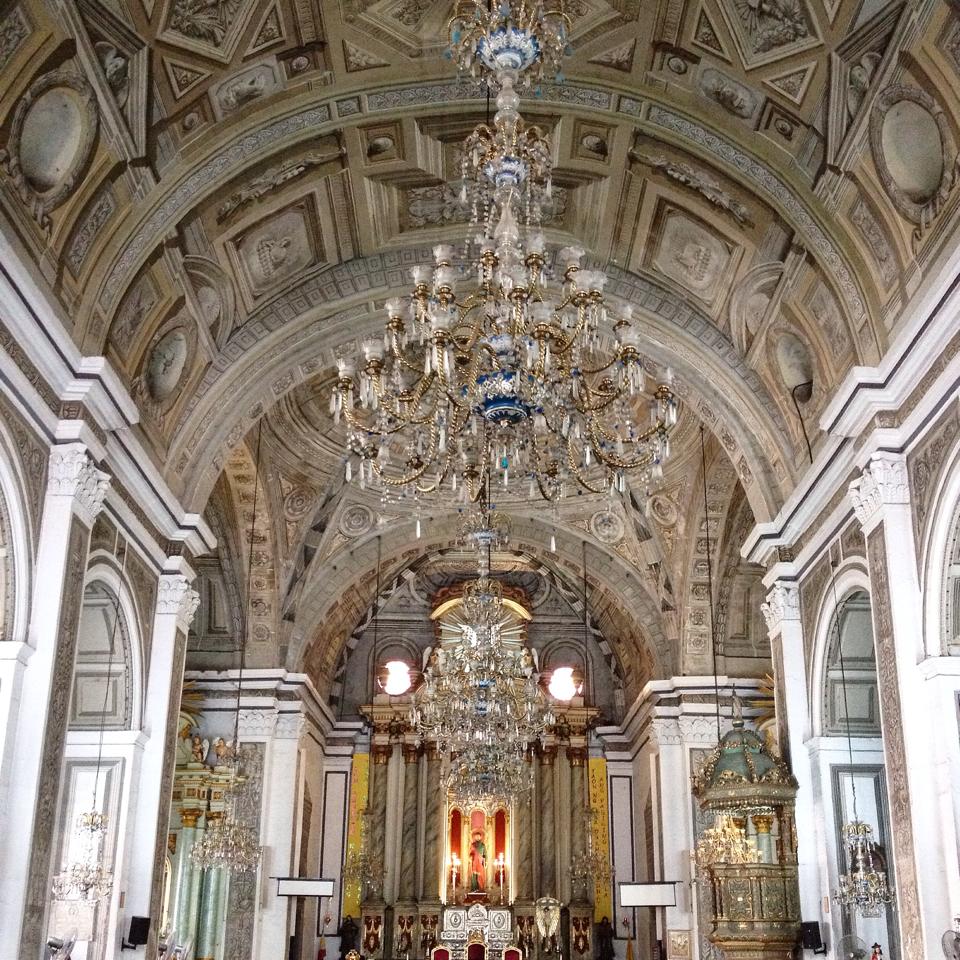
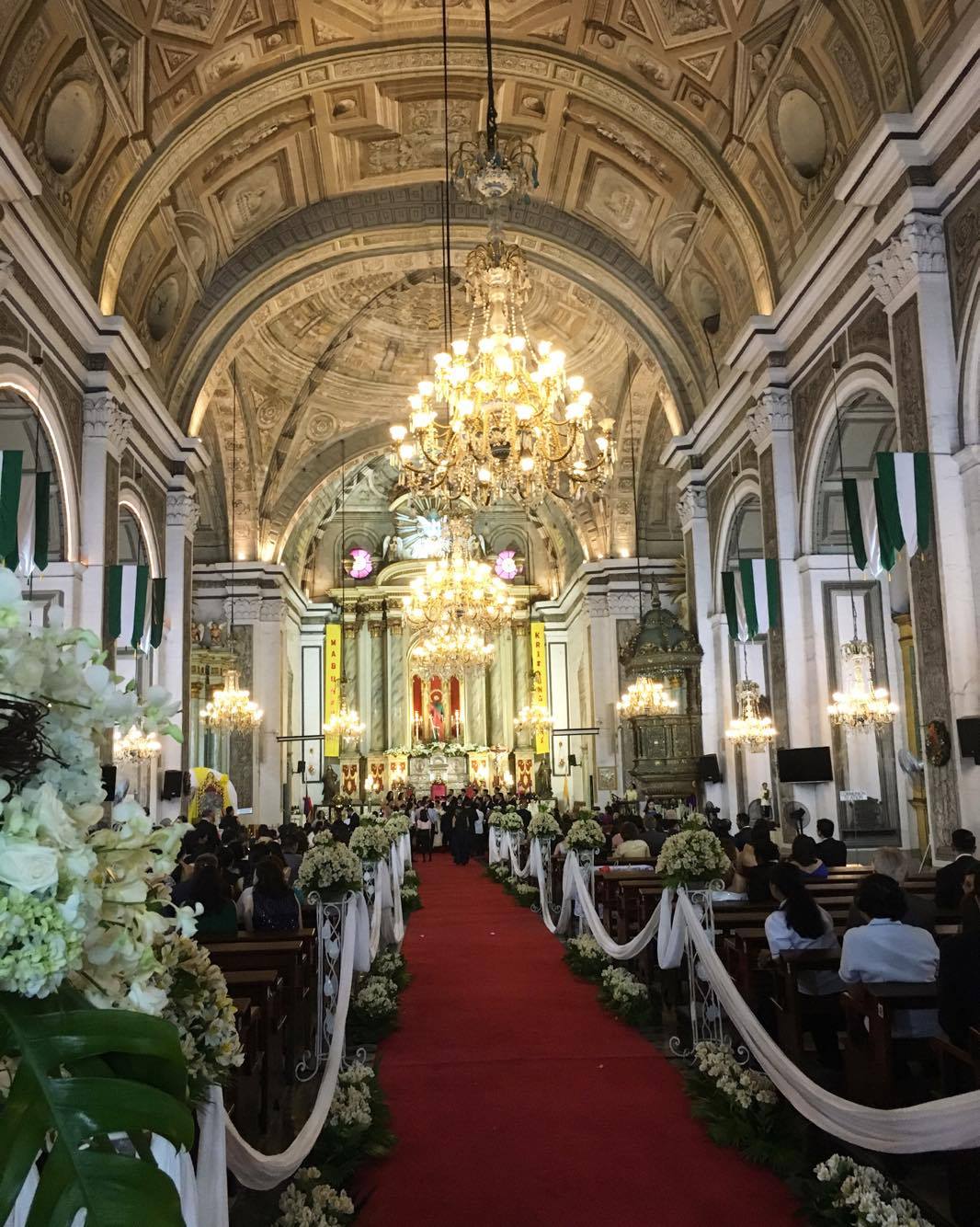
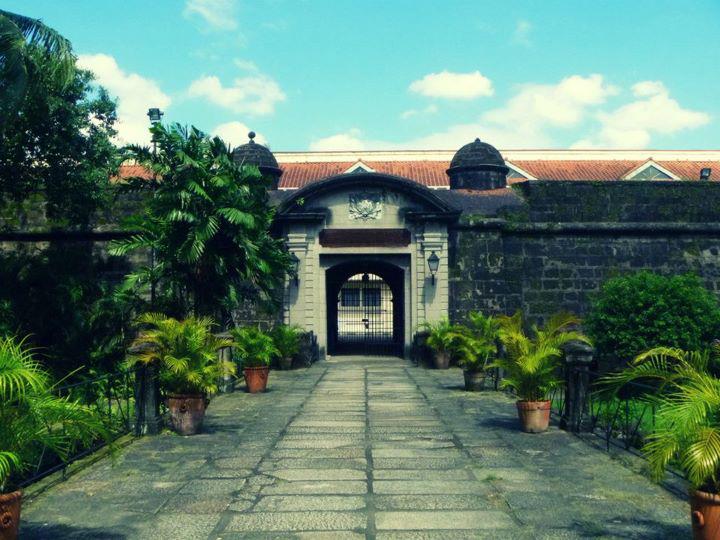
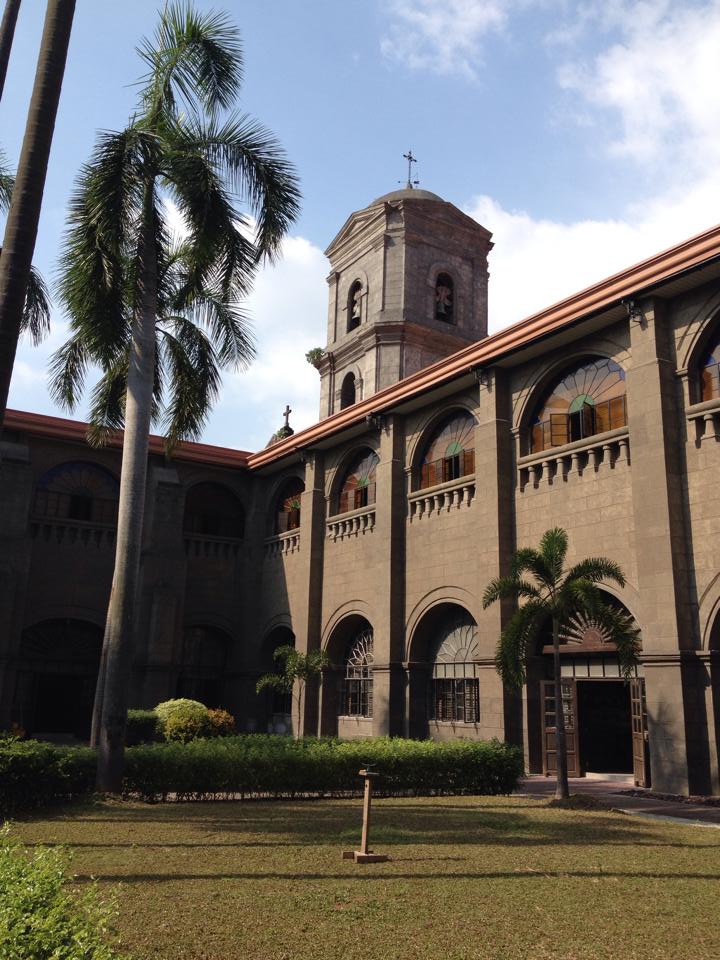
SAN AGUSTIN CHURCH, Intramuros
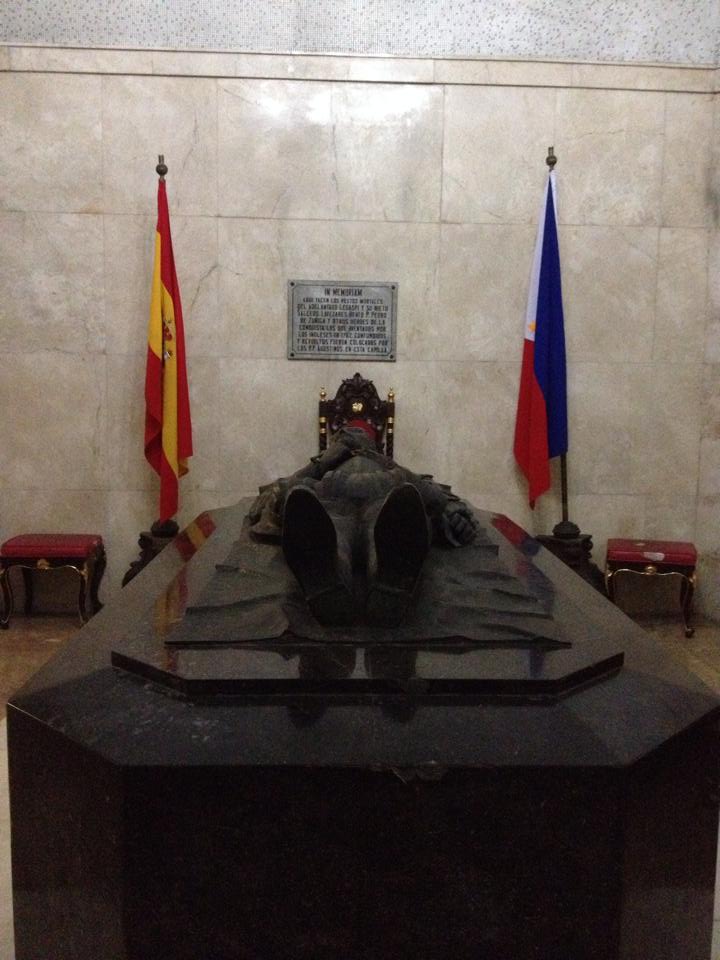
- the oldest stone church in the Philippines and the only survivor of the Liberation of Manila
-its former cloister was converted into an extensive ecclesiastical museum under the care of the Augustinian friars. No less than then Principe de Asturias Júan Carlos and Princess Sofía launched the opening in 1975.
The magnificent interiors of San Agustin are enhanced by exquisite trompe-l'œil

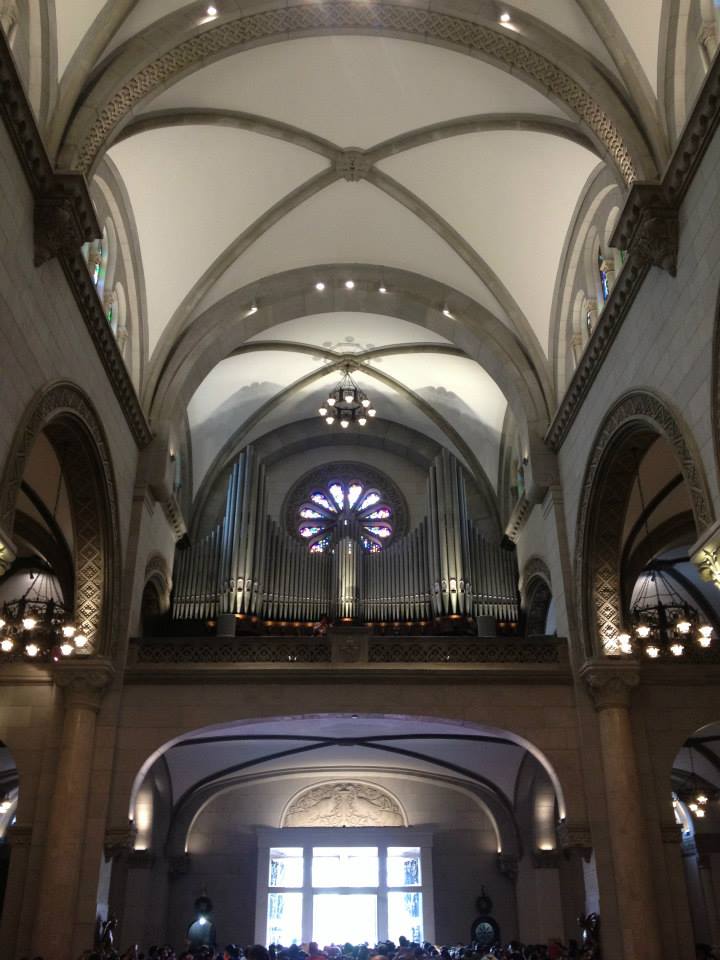
MANILA CATHEDRAL
(Minor Basilica of the Immaculate Conception), Intramuros
-the so-called “Mother Church” of Asia being the cathedral of what once the most powerful archbishopric in Southeast Asia
-seat of the Primate of the Philippines
-below it is the tomb of Manila’s archbishops
-rebuilt in the 50s by the aristocratic Archbishop Rufino Cardinal Santos with the help of Italian and Filipino artists and architects
-dedicated to Our Lady of the Immaculate Conception
-the current structure is the 8th incarnation
-also a Minor Basilica

The massive neo-romanesque facade of the Cathedral. It is currently closed for a lengthy restoration program.

The massive neo-romanesque facade of the Cathedral. It is currently closed for a lengthy restoration program.


The captivating dome of San Sebastian Church. The rust can be evidently seen as corroding the painted images

The captivating dome of San Sebastian Church. The rust can be evidently seen as corroding the painted images

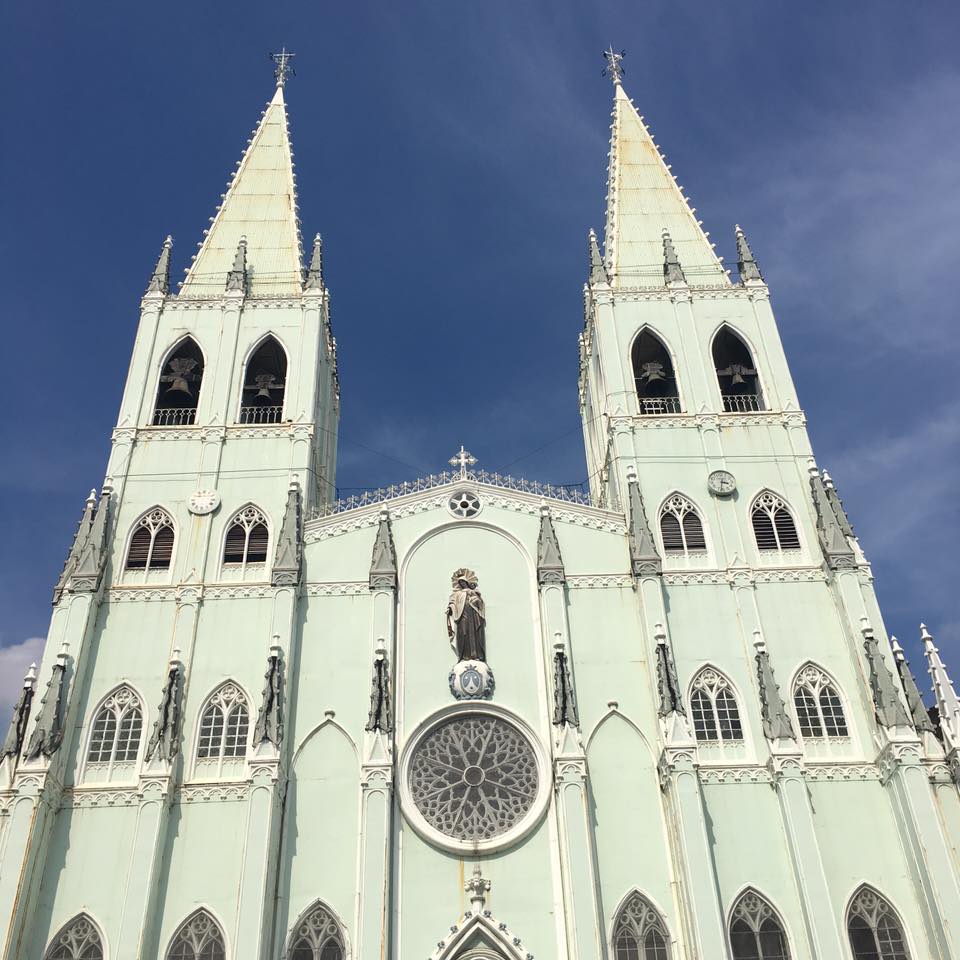
SAN SEBASTIAN CHURCH (Minor Basilica of San Sebastian), Quiapo
-first pre-fabricated and only all-steel church in the Philippines
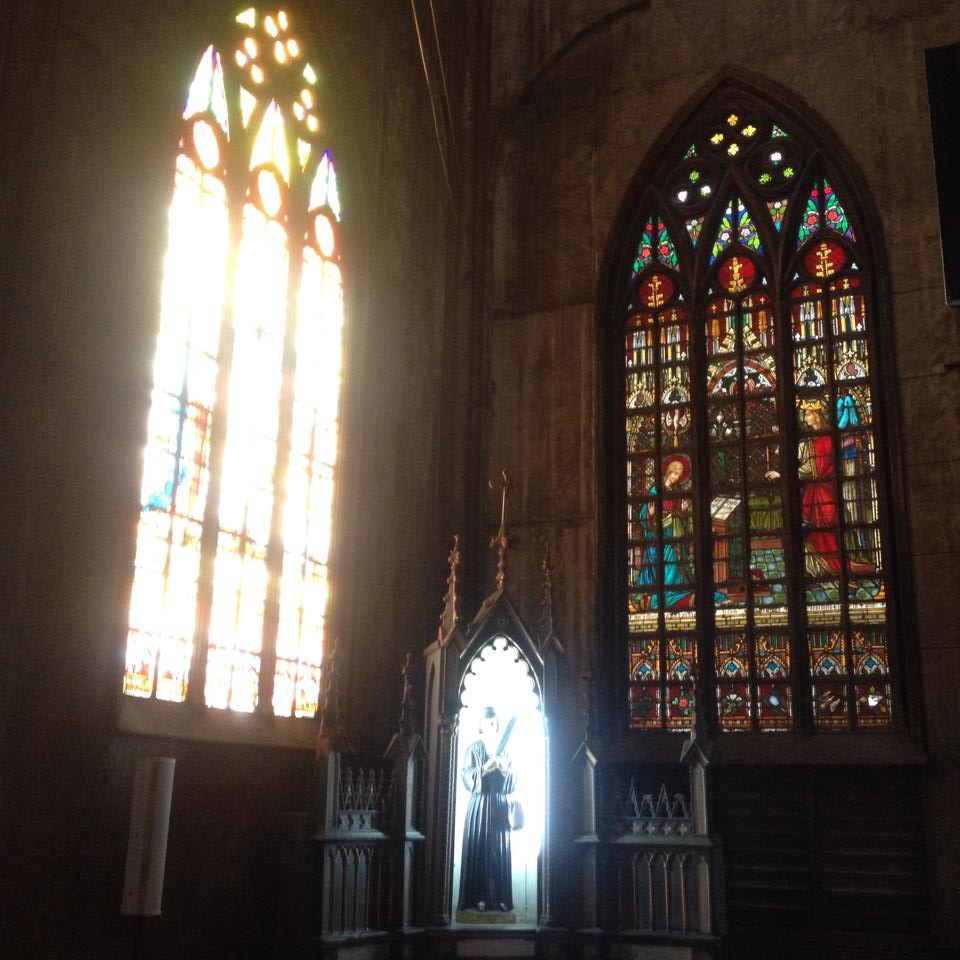
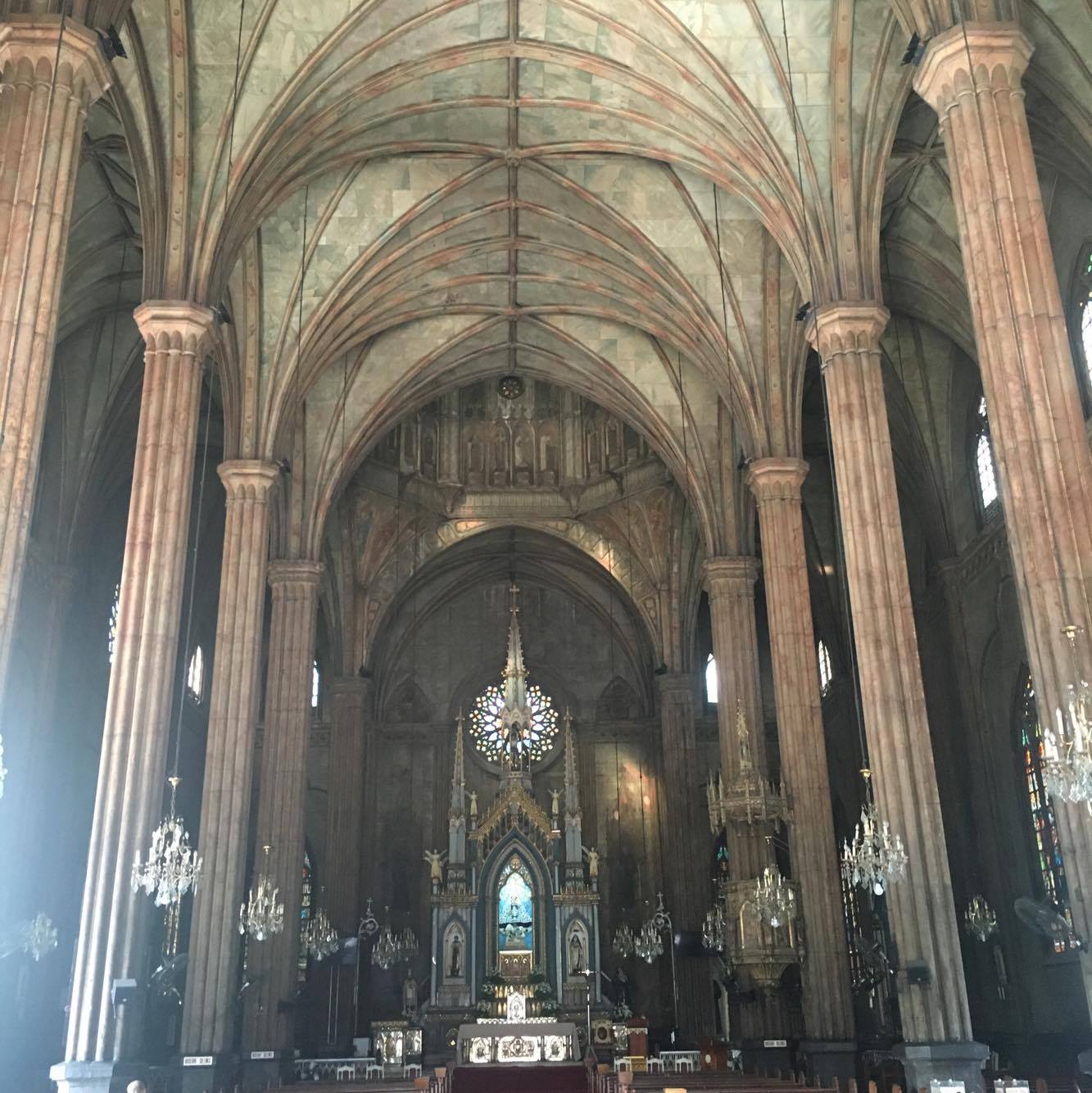
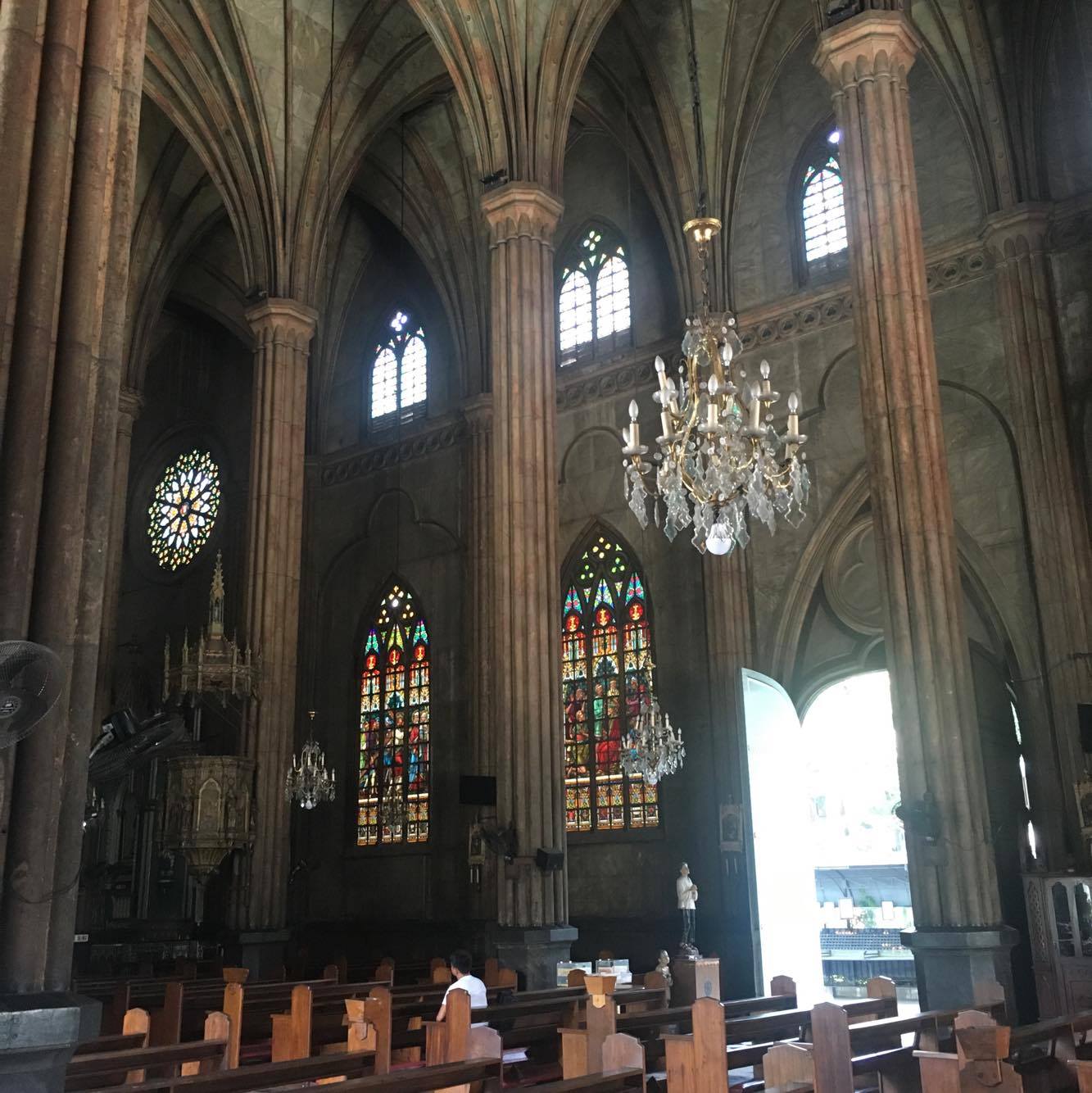
-exquisite example of Gothic revival
-first constructed in Belgium, then demolished, then shipped to Manila in several steamships and reconstructed again on current site
-features exquisite stained glass windows from the Henri Oidtmann firm, a German company
-owned by the Recollect friars, it is currently under the supervision of Tina Paterno and her team of volunteers and experts
-critically in need of funding and restoration

All-steel wonder: the Minor Basilica of San Sebastian

All-steel wonder: the Minor Basilica of San Sebastian

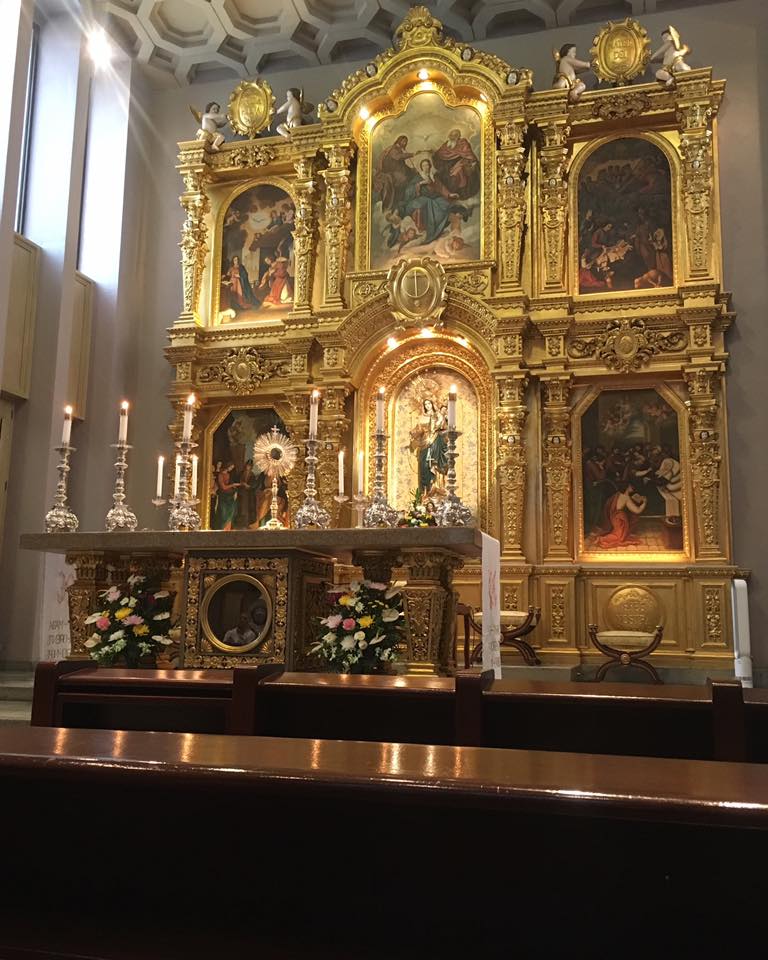
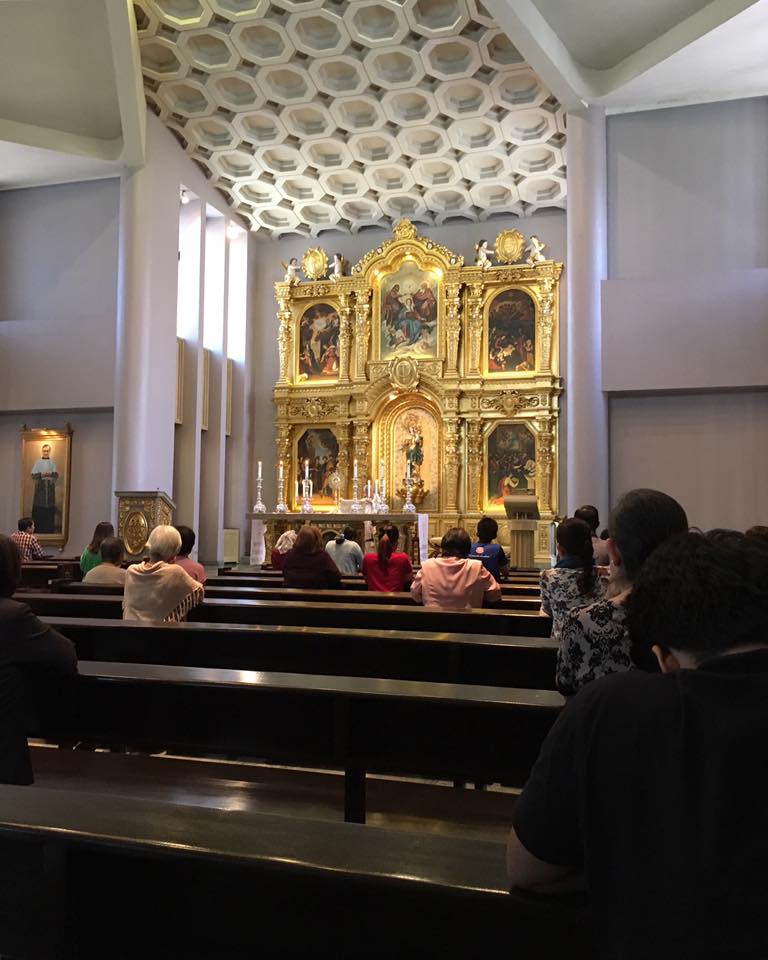
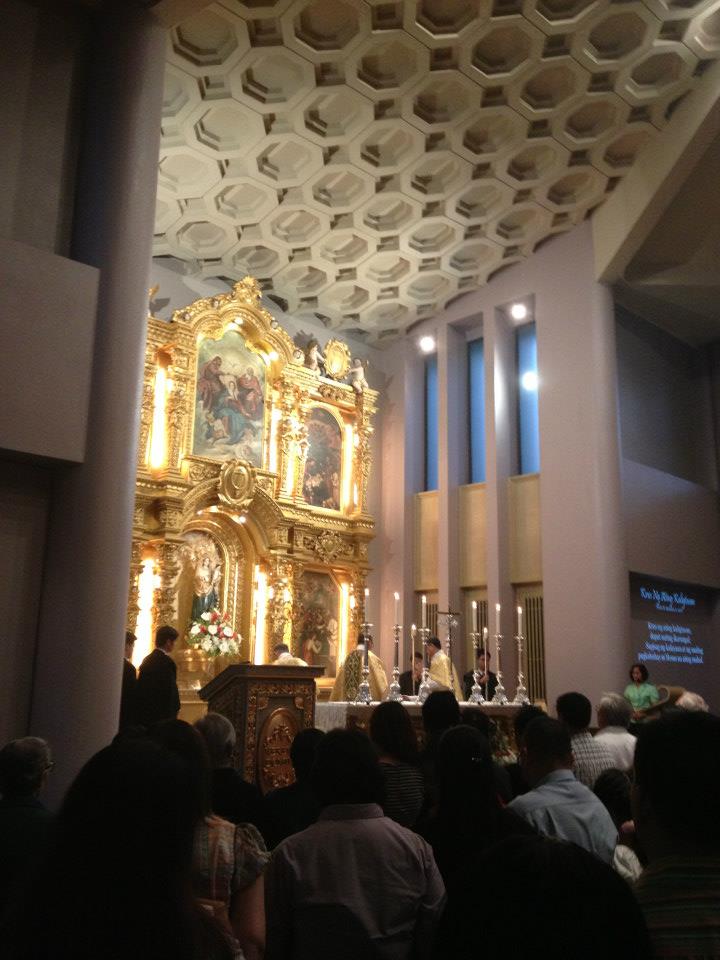
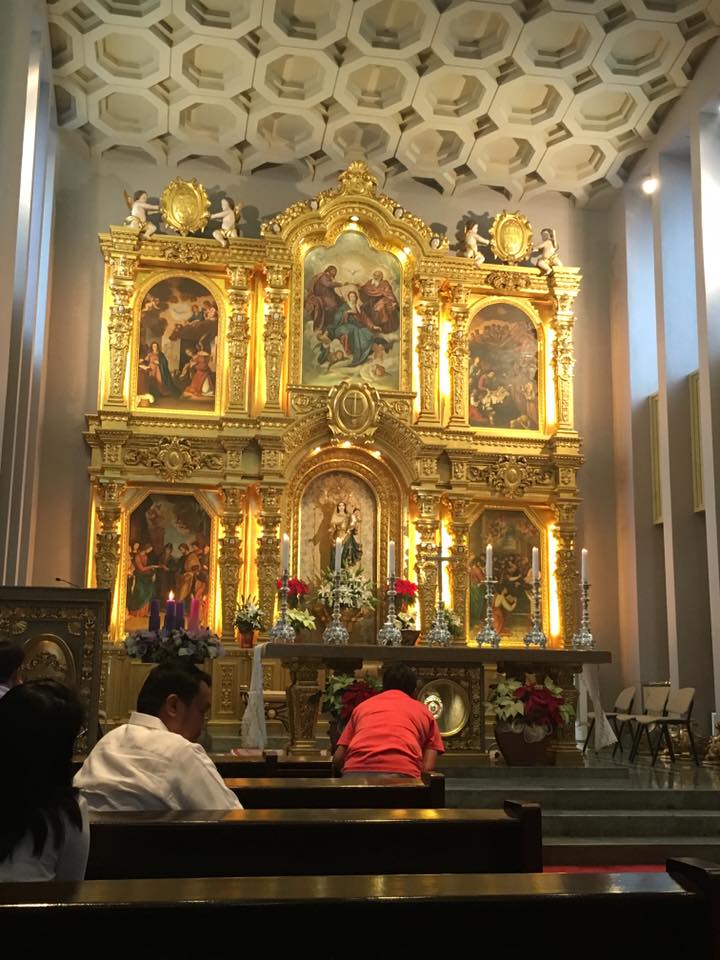
Magnificent but hidden: the Abbey of Our Lady of Montserrat

Magnificent but hidden: the Abbey of Our Lady of Montserrat

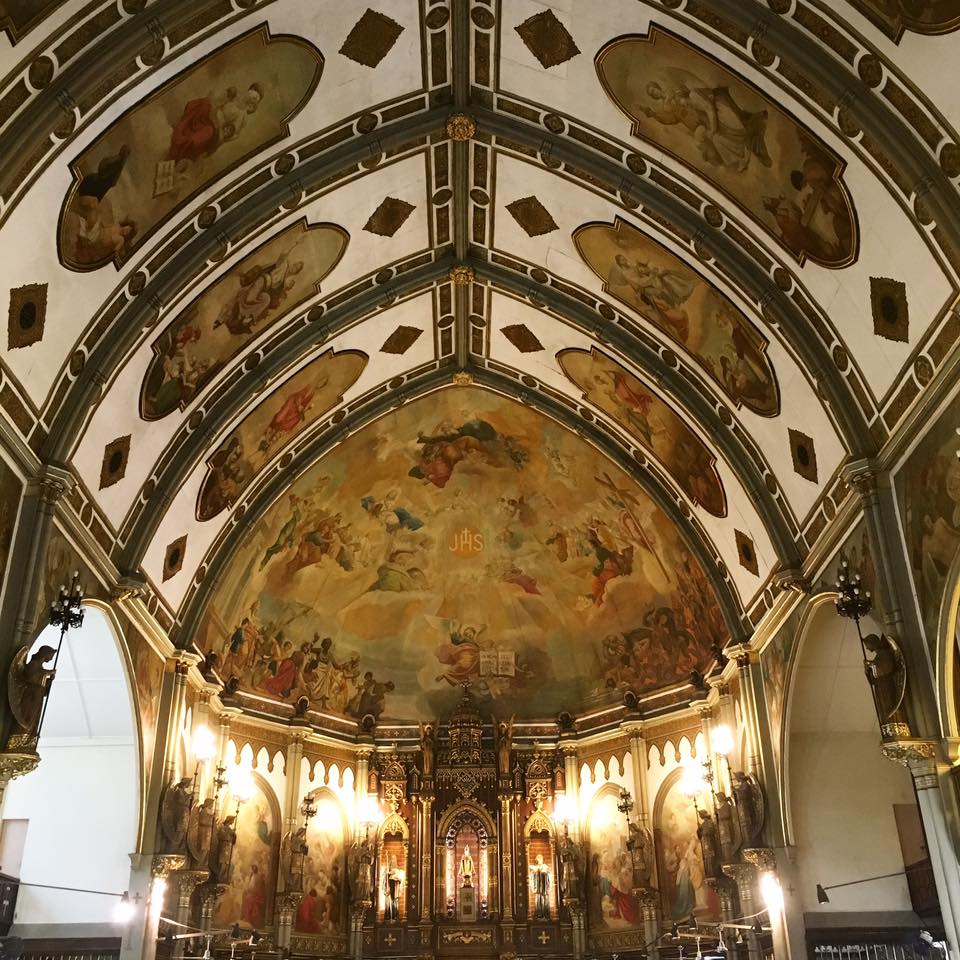
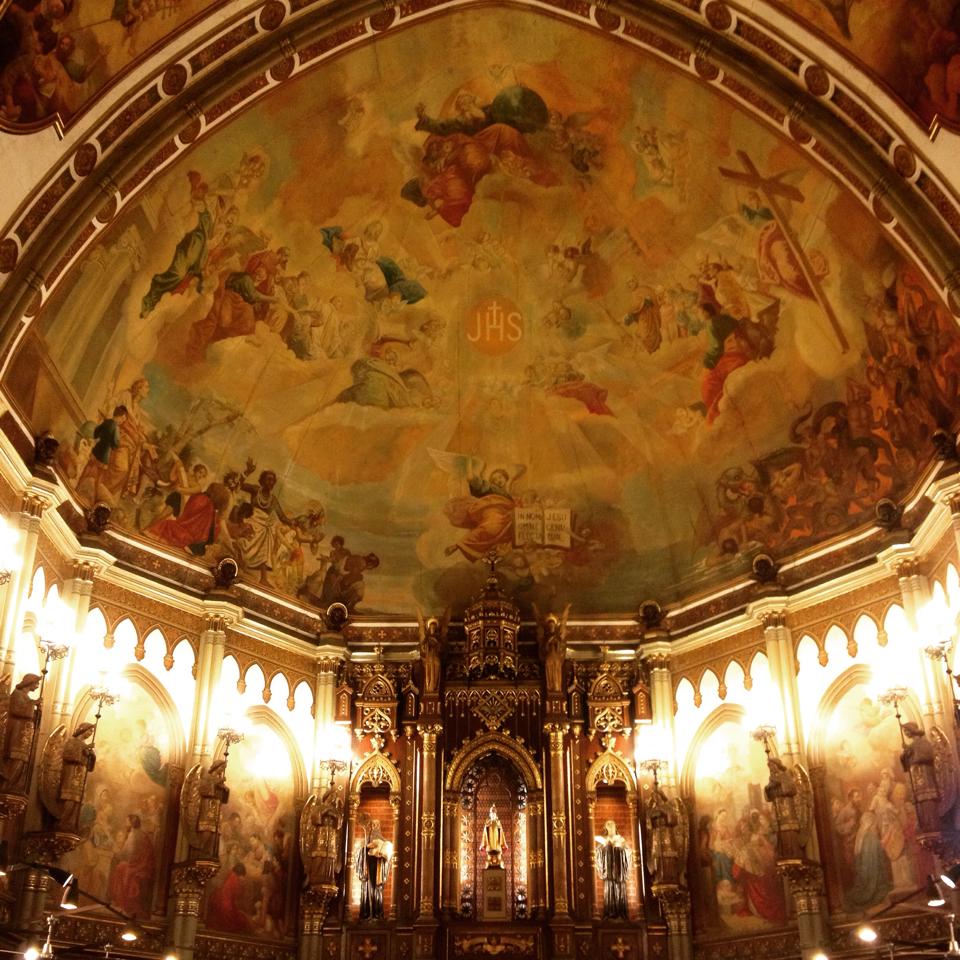
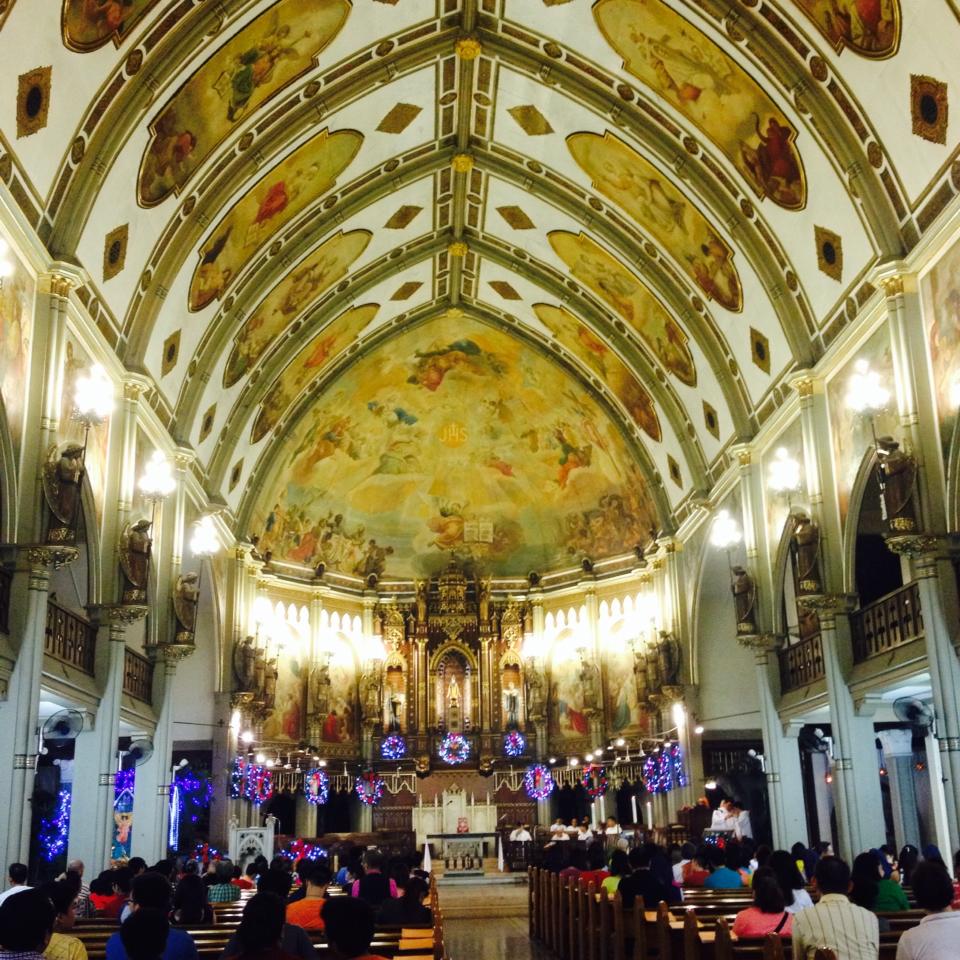
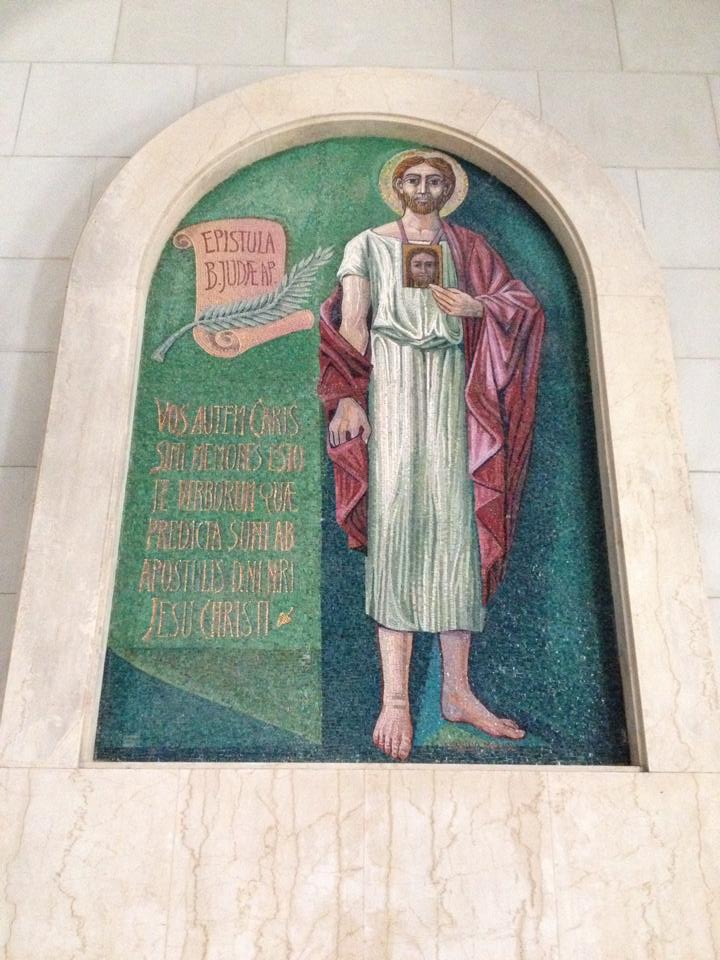
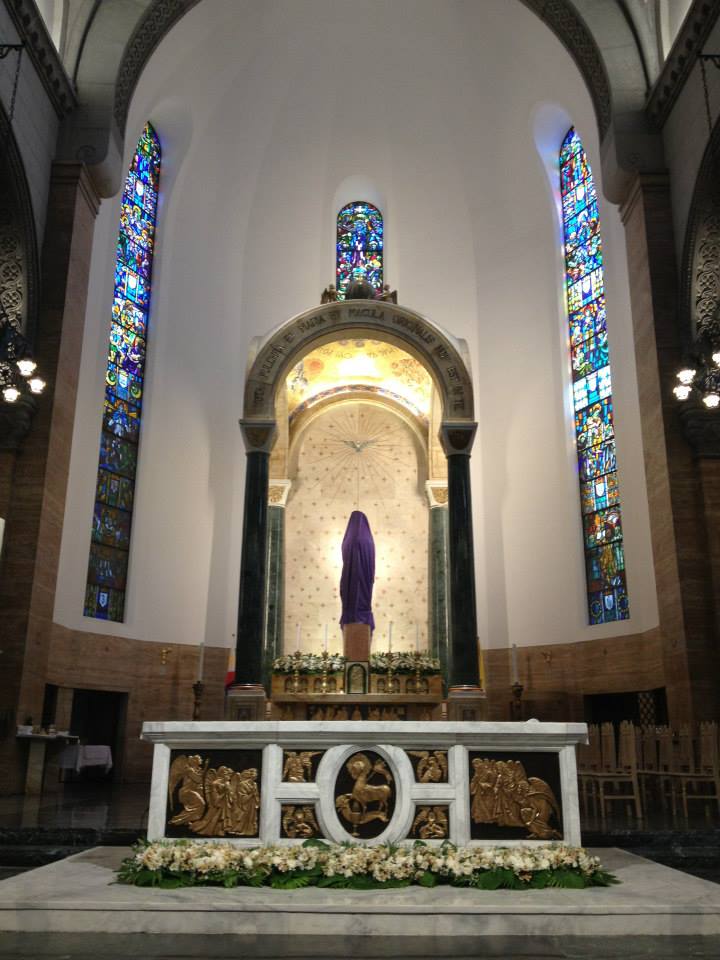
SAN BEDA ABBEY (Our Lady of Montserrat Abbey Church), San Miguel
-serves as abbey church for the Abbey of Our Lady of Montserrat, home of the Benedictine monks, and San Beda College
-lavishly decorated with paintings on its walls, altar and ceiling by Spanish Benedictines Lesmes Lopez, OSB and Salvador Alberich, OSB
-constructed by the Swedish architect George Asp in the neogothic tradition
-only shrine in Manila dedicated to the Santo Niño Jesus de Praga and Our Lady of Montserrat, the Black Madonna of Catalunya, Spain.
-Completed in 1920, it used to be the church of the Papal Legate to Manila.
-St. Maximilian Kolbe said Mass here on his stop-over in Manila from Japan

More on the Abbey and Church on my blog entry: http://hechoayer.wordpress.com/2012/04/01/in-search-of-silence-the-cloister-of-san-beda-abbey-mendiola-manila/

Facade of Jose Zaragoza's cavernous Sto. Domingo Church built in the modern, California-mission style tradition. It features reliefs by Francisco Monti and paintings by Botong Francisco

Facade of Jose Zaragoza’s cavernous Sto. Domingo Church built in the modern, California-mission style tradition. It features reliefs by Francisco Monti and paintings by Botong Francisco

SANTO DOMINGO CHURCH (National Shrine of Nuestra Señora del Santíssimo Rosario de La Naval de Manila), Quezon City
-Mother Church of the Dominican Friars
-Built in the 1950s by esteemed architect José Zaragoza
-formerly located in Intramuros, its last motif before its destruction during World War II was Gothic revival
-old church used to be the most sumptuous and heavily gilded in pre-War Manila
-houses the revered ivory image of Nuestra Señora del Santíssimo Rosario de La Naval de Manila
-features paintings by National Artist Francisco “Botong” Francisco
-declared a National Cultural Treasure last year by the National Museum

More on the pre-war grandeur of Sto. Domingo in my blog entry: http://hechoayer.wordpress.com/2012/04/01/in-search-of-silence-the-cloister-of-san-beda-abbey-mendiola-manila/

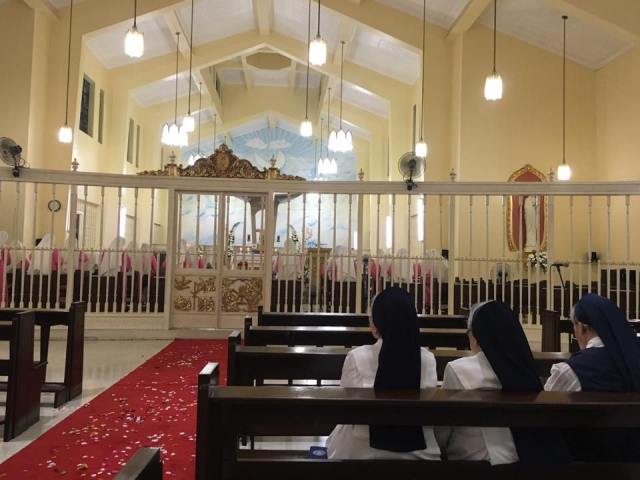
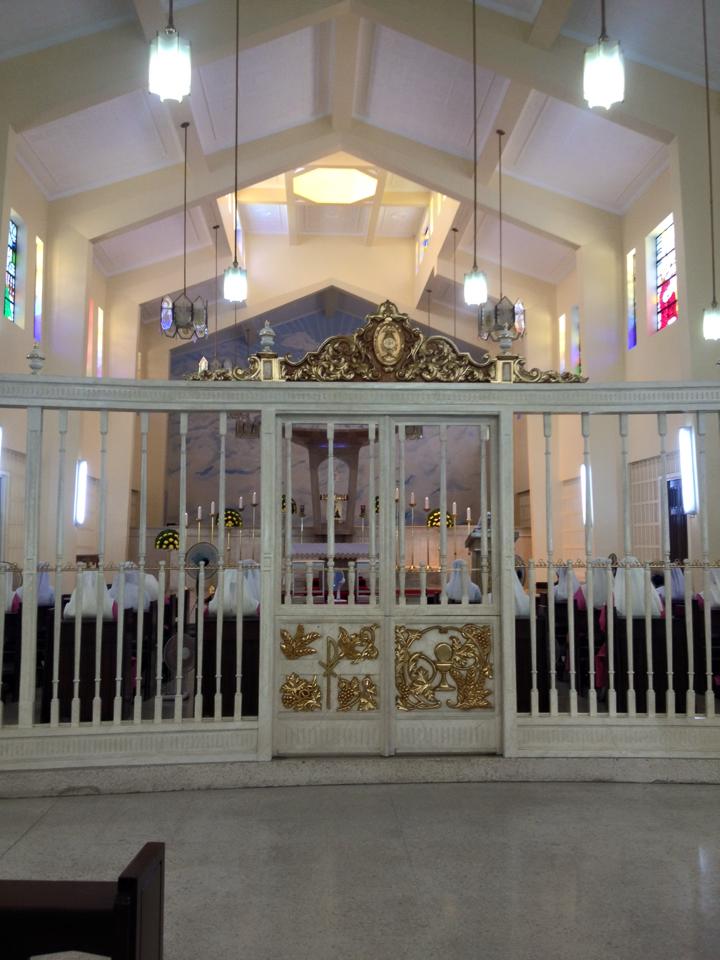
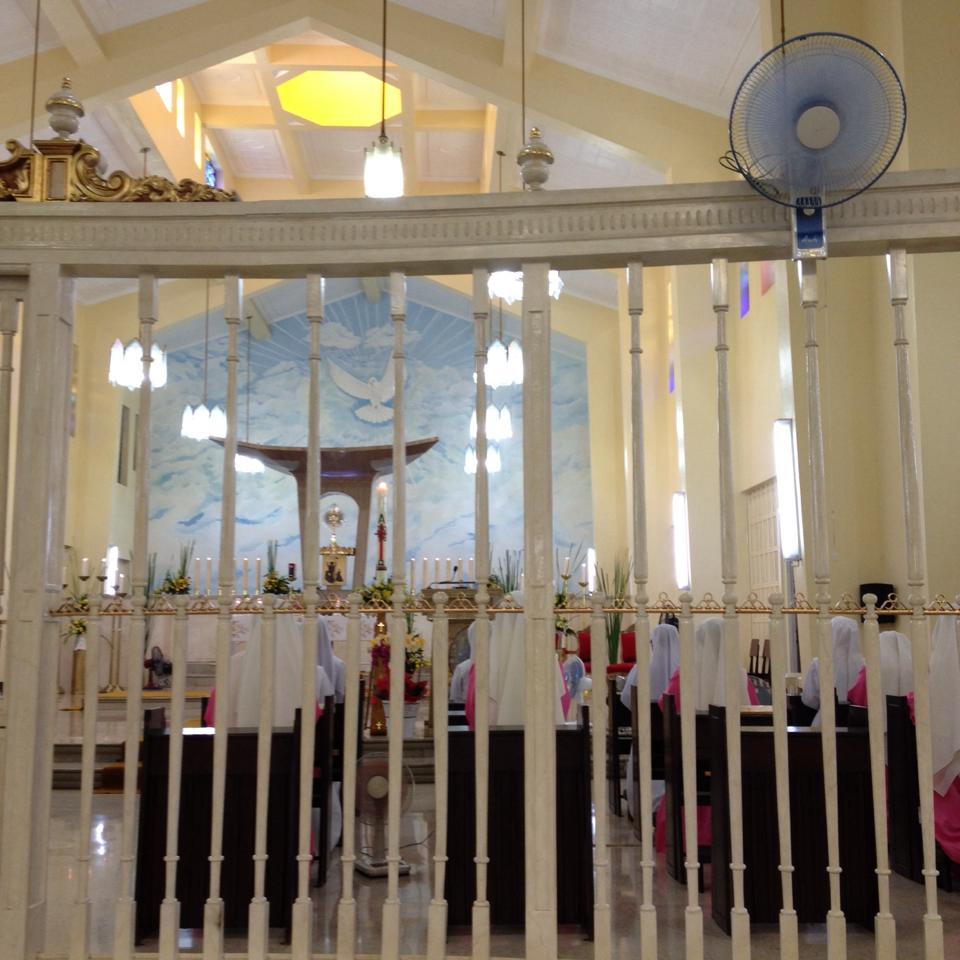
The Poor Clares can be seen behind the grills at the back of the Monasterio de Sta. Clara Church in Katipunan, QC

The Poor Clares can be seen behind the grills at the back of the Monasterio de Sta. Clara Church in Katipunan, QC

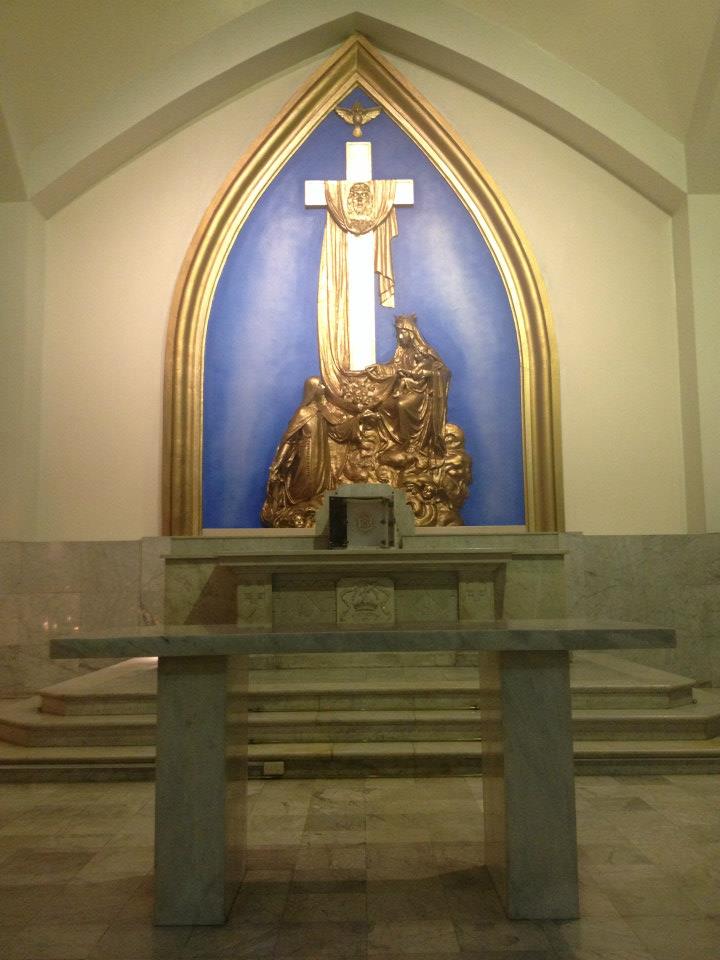
MONASTERIO DE SANTA CLARA (Real Monasterio de la Inmaculada Concepción de la Madre de Dios de las Monjas de Sta. Clara), Katipunan, Quezon City
-established by Sor Jerónima de la Asunción in 1621
-Mother Church of the Order of Saint Claire
-houses the oldest group of contemplative nuns in the Philippines, the Poor Clares or Clarisas in Spanish
-traditionally, devotees ask for fair weather from the nuns by offering them eggs, “clara” being “clear” or the egg white in Spanish
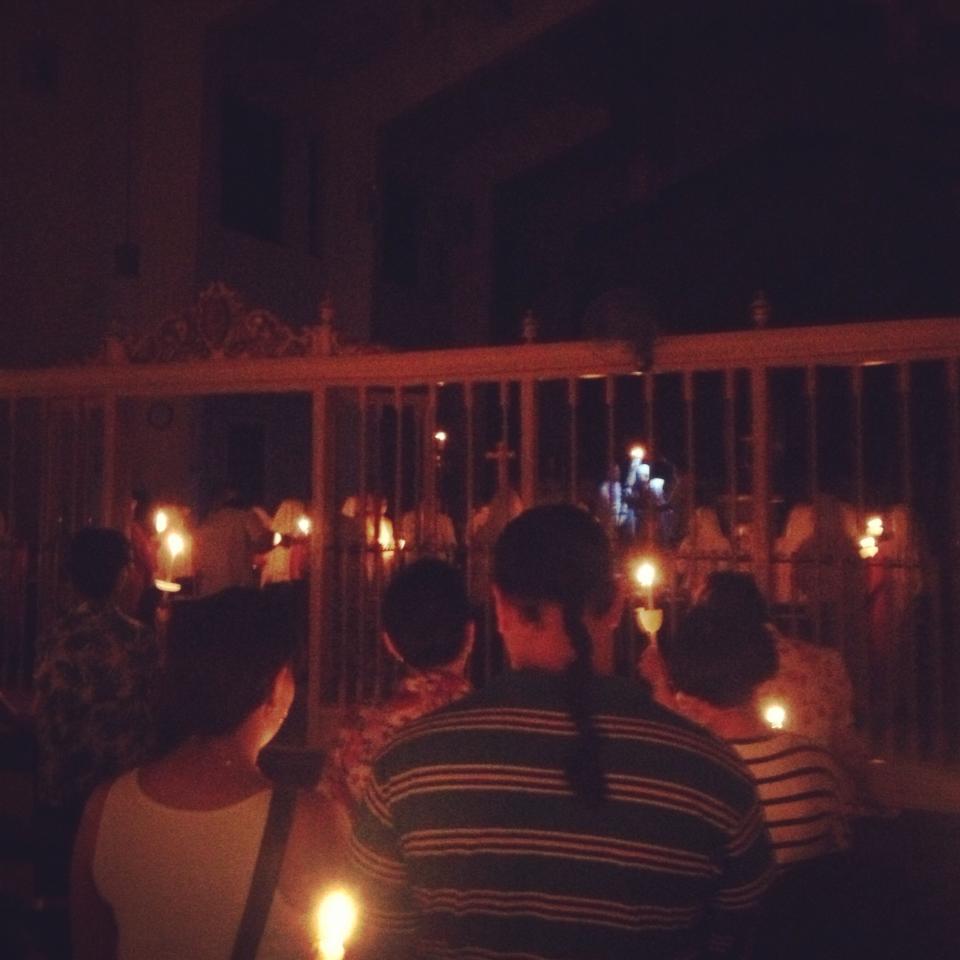
-thousands flock on the feast of Sta. Clara to ask for favors from Sta. Clara and the prayers of the enclosed nuns
-site where, in Jose Rizal’s “Noli Me Tangere”, Maria Clara was kept in seclusion by the devious Franciscan Padre Salvi for enslavement and his personal pleasure
-its former monastery complex in pre-war Intramuros was considered a “living death”, having no windows and people unable to see the nuns whose faces were also veiled until the 1960s

Facade of the church of the Monasterio de Sta. Clara

Facade of the church of the Monasterio de Sta. Clara

A pink sister adoring the Blessed Sacrament in the St. Joseph's Chapel for Perpetual Adoration in New Manila

A pink sister adoring the Blessed Sacrament in the St. Joseph’s Chapel for Perpetual Adoration in New Manila


PINK SISTERS CONVENT
(St. Joseph’s Convent of Perpetual Adoration) New Manila, Quezon City
-convent and chapel of the Pink Sisters in Manila
-established by the German Sister Servants of the Holy Spirit of Perpetual Adoration
-known as Pink Sisters based on the color of their habit, which was originally meant to be red
-built in 1965 upon the recommendation of Archbishop Rufino Cardinal Santos, and the assistance of several Spanish and Filipino families in genteel New Manila
-Pink sister/s would be seen praying in front of the Blessed Sacrament 24/7
More information on my blog entry: http://hechoayer.wordpress.com/2012/02/07/livin-in-pink-the-pink-sisters-and-the-freedom-in-the-cloister/

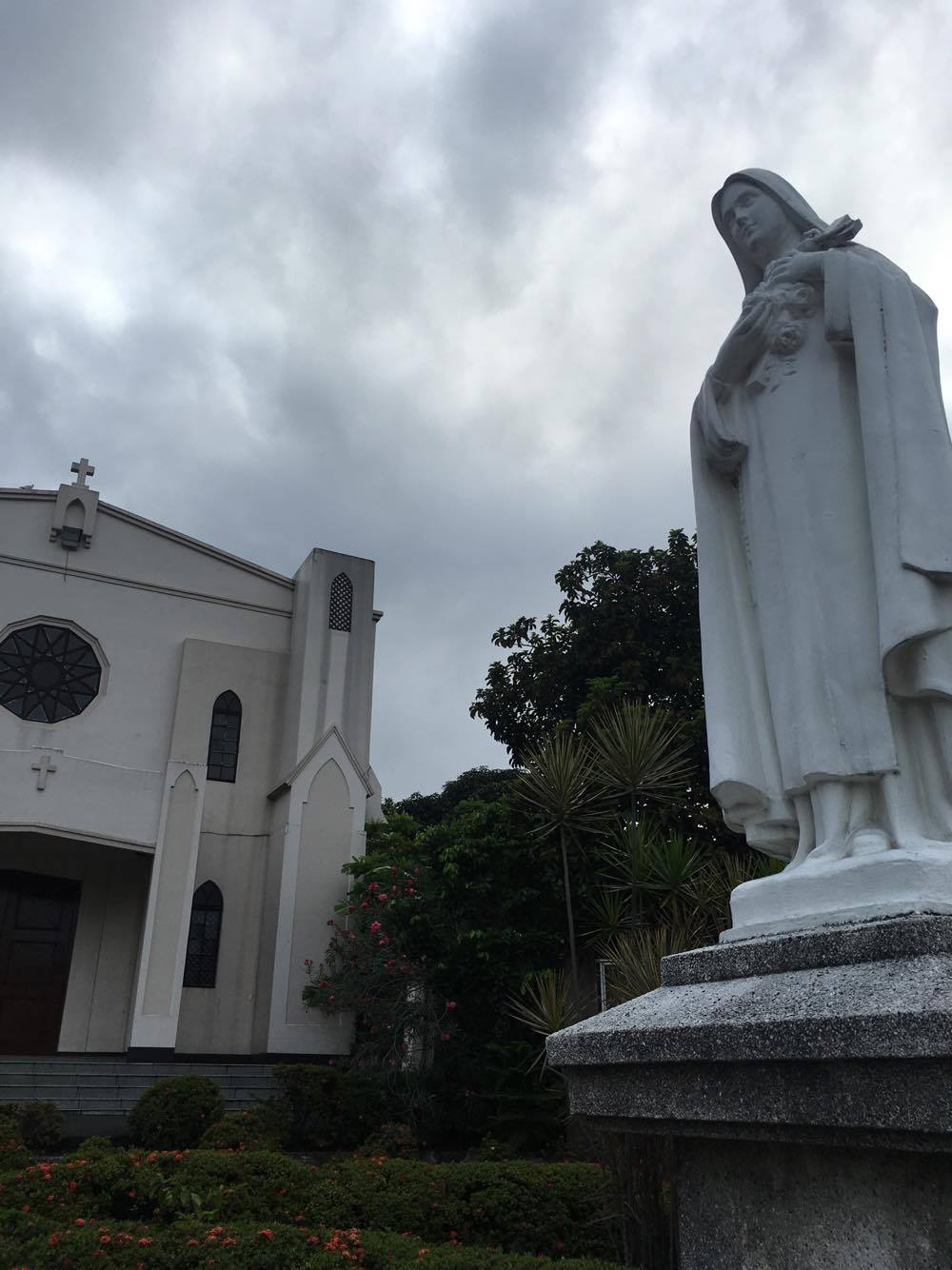
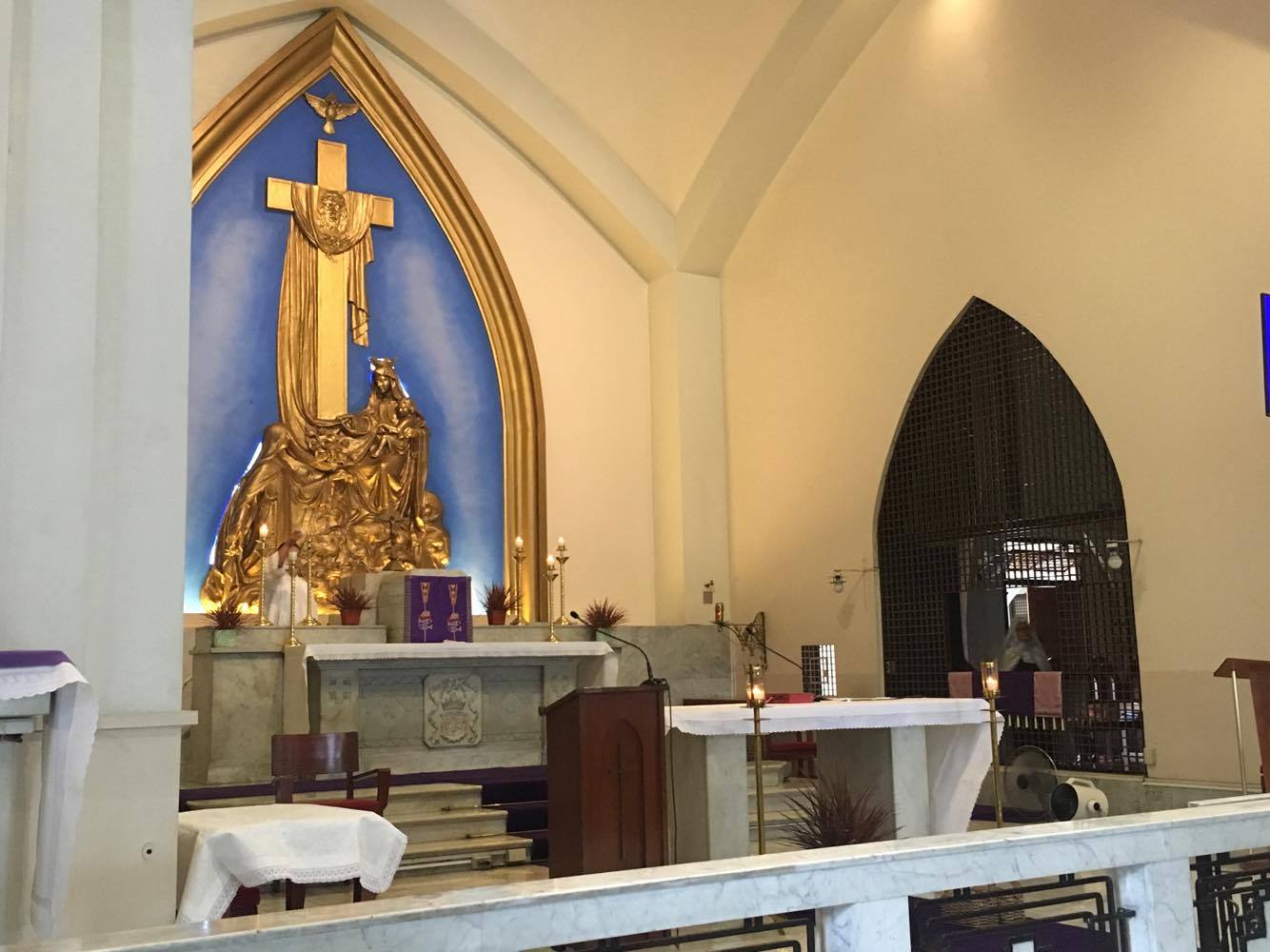
The Carmelite Chapel of the Carmel of St. Therese in Gilmore, also in New Manila

The Carmelite Chapel of the Carmel of St. Therese in Gilmore, also in New Manila

Carmel of Saint Thérèse of Lisieux, New Manila, Quezon City
-established on 24 November 1926 through the generosity of the Spanish and Filipino families of New Manila
-a chapel for cloistered Carmelite nuns; the original community of French nuns came from their Indochina houses
-Josefina Constantino (born in 1920), a Filipino essayist, literary critic and poet who used to teach at the University of the Philippines, professed as a nun here in 1979. She is now known as Sister Teresa Joseph Patrick of Jesus and Mary
-the seraphic voices of the nuns can be enjoyed during their daily morning Mass at 6:30 AM as it wafts from their enclosure at the side of the sanctuary
More information on my blog:http://hechoayer.wordpress.com/2010/10/15/starting-a-sembreak-well-carmel-of-st-therese-of-lisieux-gilmore-new-manila/

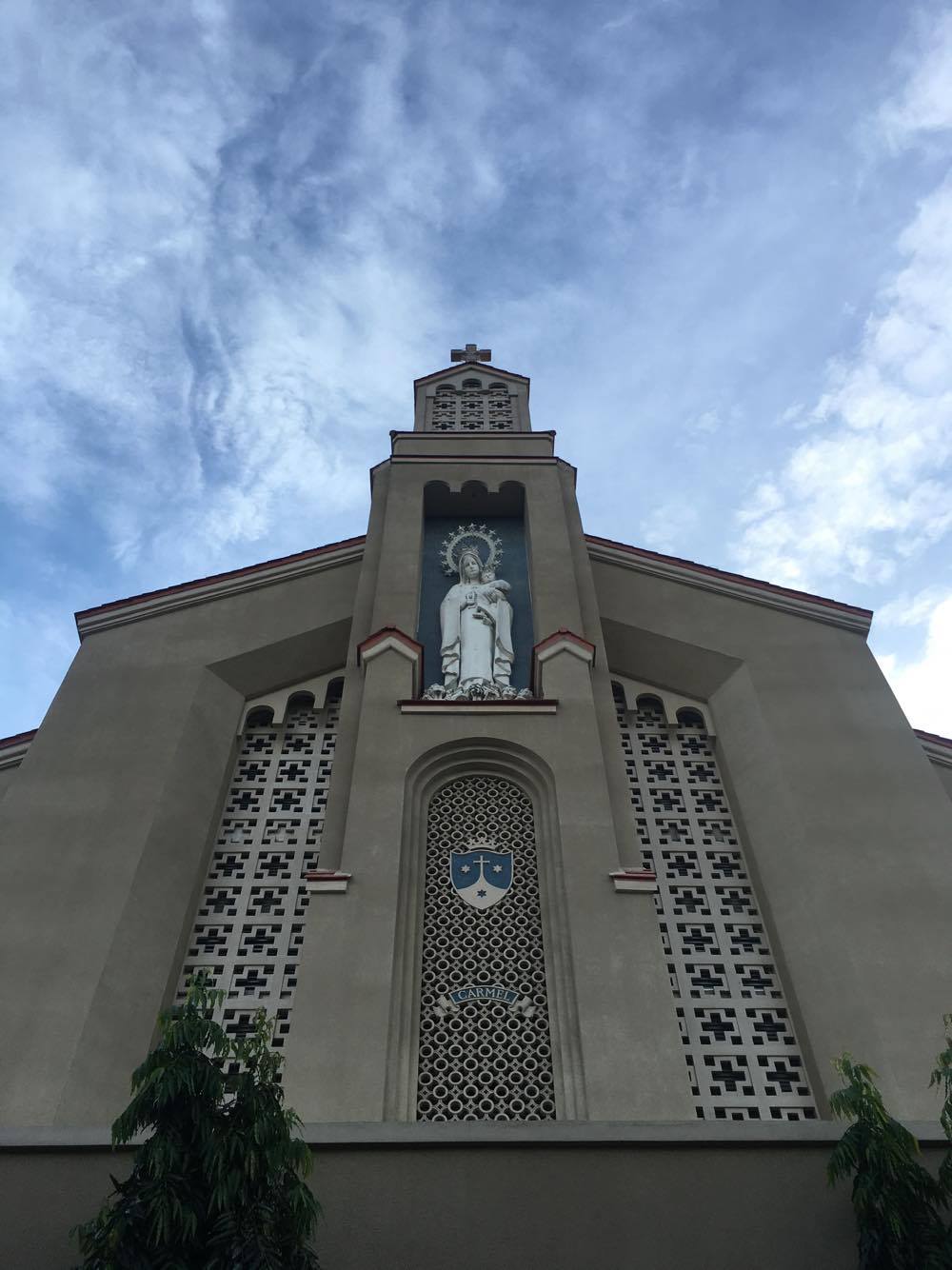
The imposing facade of Our Lady of Mount Carmel Shrine in New Manila

The imposing facade of Our Lady of Mount Carmel Shrine in New Manila


MOUNT CARMEL CHURCH
(National Shrine of Our Lady of Mount Carmel), New Manila, Quezon City
-constructed in 1954, simultaneous to the establishment of the Order of Discalced Carmelite Friars in the Philippines
-the older shrine to Our Lady of Mount Carmel and the Brown Scapular was actually the San Sebastian Church
-used to be run by Irish and American friars
-the parish church of many, many religious orders located in New Manila, a quiet community of old Spanish and Spanish-speaking families such as the Madrigals, Conjuangcos, Avancenas, etc.
-so-called parish of the “tisoys” and old rich of Manila who moved to New Manila after the destruction of World War II
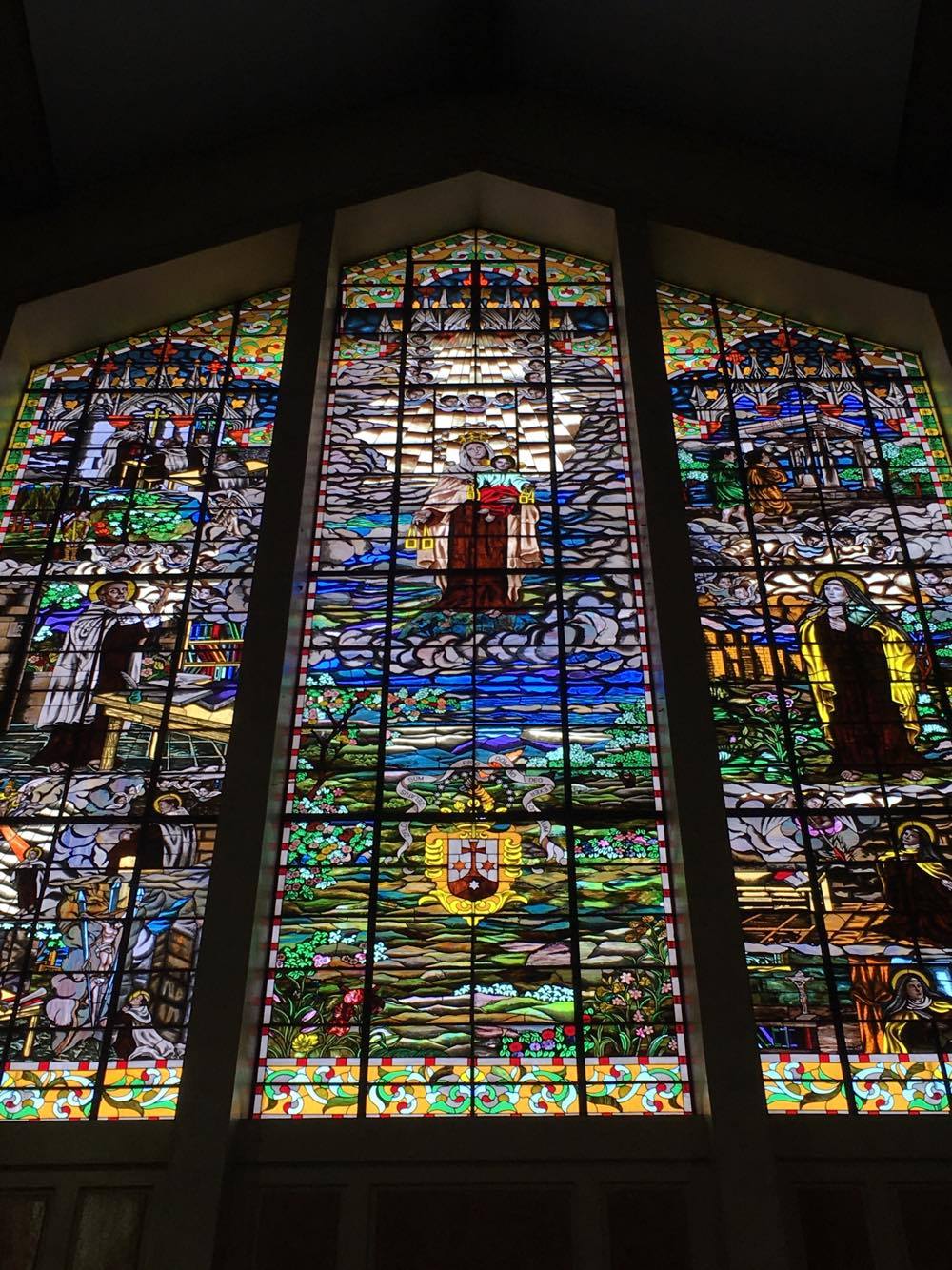
-a cavernous church that features marvelous stained glass windows and ornate retablos
-for a long time, still promoted the use of Communion Rails

Spacious Mount Carmel

Spacious Mount Carmel

Our Lady of Mt. Carmel rendered in stained glass. The stained glass windows of Carmel add color to the rather dull and cold exterior and interior of the cavernous church

Our Lady of Mt. Carmel rendered in stained glass. The stained glass windows of Carmel add color to the rather dull and cold exterior and interior of the cavernous church

Interiors of Immaculate Conception Cathedral, Cubao

Interiors of Immaculate Conception Cathedral, Cubao


IMMACULATE CONCEPTION
(IMMACULATE CONCEPTION CATHEDRAL PARISH
-Since 1935, German SVD priests have been saying Mass in a small chapel in the area for the community there
-The parish was canonically set up in 1950
-It is now the Cathedral of the new Diocese of Cubao, whose first Bishop is His Excellency Honesto F. Ongtioco
-Its renovation is an excellent example of liturgical arts revival; artist Rafael Casals is involved in the church’s beautification and rehabilitation program as well as my uncle, an architect
-The crypts below the cathedral were also designed by my uncle
-features a majestic stained glass window panel at the middle featuring the Immaculate Conception

Magnificent stained-glass window panel on the main facade of Immaculate Conception Cathedral in Cubao

Magnificent stained-glass window panel on the main facade of Immaculate Conception Cathedral in Cubao

As the evening progresses, don’t forget to say the Rosary, or the Way of the Cross or a good confession. More than taking pictures and doing the Visita Iglesia as a tourist activity or family affair, make it a really good way of doing penance, of renewing your love and devotion to our Lord.

Posted in CULTURA, LA VIDA FILIPINA | Tagged , , , , , , , | Leave a comment

La Manila que nunca podemos encontrar

Delivering a short discourse on the importance and undeniable Hispanic nature of Manila before the War

Delivering a short discourse on the importance and undeniable Hispanic nature of Manila before the War

por: Joaquín Carlos Urbiztondo de Jesús
23 febrero 2013

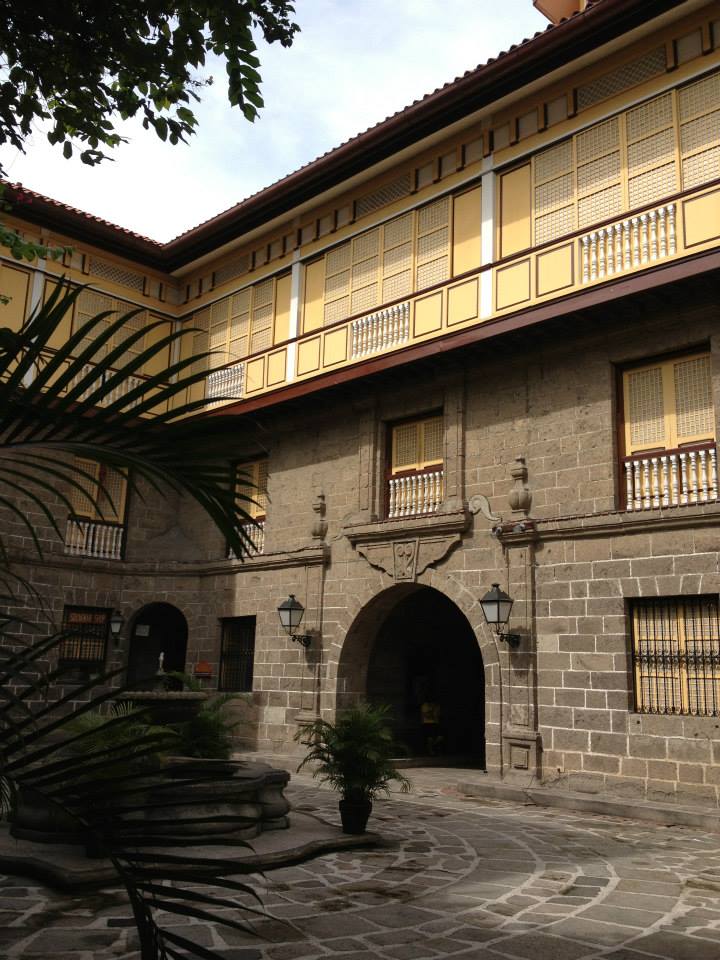
This was the talk I gave last Saturday, 23 February 2013, at the Bahay Nakpil Bautista in Quiapo on the occasion of the Heritage Conservation Society’s activity Remembering the Liberation of Manila.

In today’s context of rapid and tumultuous change, many things are threatened by forces both visible and invisible. The turbulence brought about by technological, economic, political and social upheavals corrodes the foundations of communities: their culture, their history, their values, and to some extent, their very identities. Indeed, this is no less true for the Philippines and its Hispanic heritage, something which has been threatened ever since the turn of the 20th century.

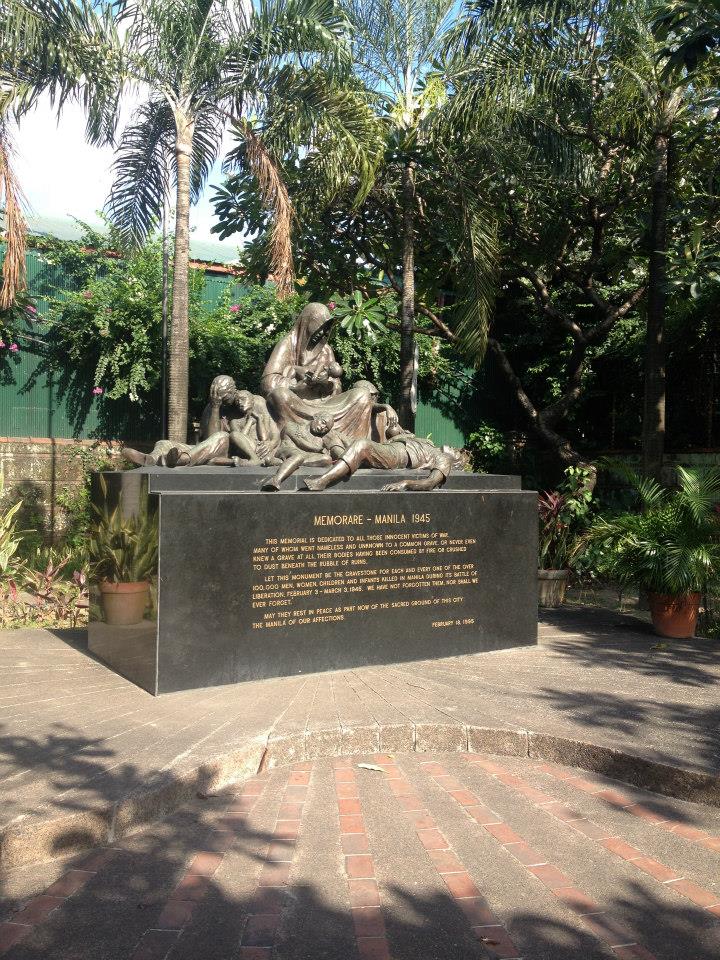
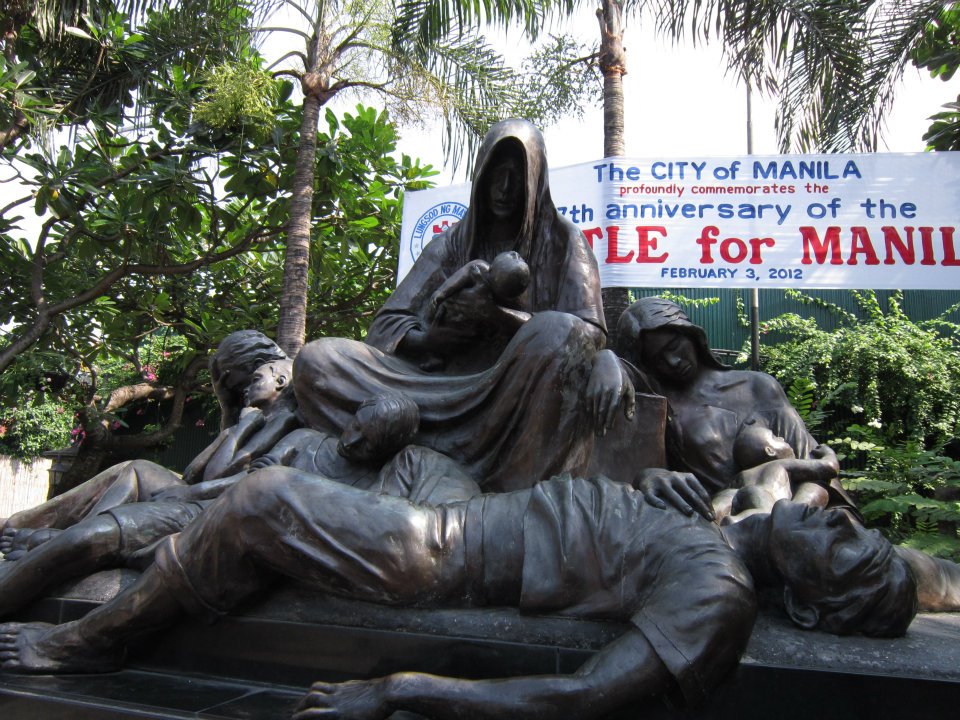
Today, as we remember the Liberation of Manila, which can be, ironically, called as the “Rape of Manila”, allow me to focus on one of the most unfortunate victims of that dark moment in our history: the Spanish language and Hispanic culture of the Philippines.

In a time when Manila was the “Pearl of the Orient”, when memories were rosy and when days were much simple, the capital’s citizens lived with pride. Their actions were guided by the principles of delicadeza and urbanidad and the city’s beauty nurtured these values to some extent. And it cannot be denied that the citizens of Manila, and of the archipelago’s other progressive cities, felt they were part of the Hispanic family.

There is just something fascinating about the stories of pre-war Manila that my grandmother, like any pre-War Manileña, recounted to us her grandchildren. Books like “Myself, Elsewhere” by renowned historian and cultural essayist of Carmen “Chitang” Guerrero Nakpil, mother of our advocate in the Heritage Conservation Society, Ms. Gemma Cruz Araneta, and that of Purita Echevarria de Gonzalez’ “Manila: A Memoir of Love and Loss” are filled with stories, honest and heart-breaking accounts of the pre-war and war-torn days spent in Manila.

And during this time, Spanish was the language of the educated and cultured.A true and living connection with Mother Spain and our other Hispanic brothers was manifest in the language and customs of the citizens.

This held true for almost any middle-class Filipino family back then residing in Manila, and the other major cities in Pampanga, Batangas, Bicol, Cebu, Panay , Negros and Ilo-ilo.

This was the trend from the late 1800s all the way until the 1930s. It must be noted that it was during this period when a blossoming of the Spanish language in the Philippines was actually witnessed. With more access to education, people began to learn to language of statesmen and heroes. They also found the Spanish language as a rallying language all Filipinos can adhere to against the new colonizers.

Through the great efforts of nationalists, thinkers and writers such as Claro Mayo Recto, Enrique Zóbel, Manuel Bernabe, Jesús Balmori among others, for a time, a golden age of the Spanish language and Fil-Hispanic sentiments was witnessed as a sign of nationalism under the American colonial regime. For a moment in our history, a hopeful opportunity was seen for the Philippines’s Hispanic heritage.

To describe further the Hispanic flair of the city, allow me to read an excerpt from Nick Joaquín’s essay on Intramuros, which he described as “ the city’s deepest inside, innermost sanctum, holy of holies – a tribal high altar sa loób ng Maynilà:

Entering through Victoria Gate and going up Solana, you reached San Francisco, which was a double church, for beside the main one (its creamy pillared façade rose five stories high) was the V.O.T., the chapel of the Franciscan third order, where was venerated a crowned St. Louis robbed in ermine. At the end of Solana was Santo Domingo, magnificently gothic and rose-colored with a side portal opening out to the Plaza de Santo Tomas.

Crossing the plaza and passing the university, you came upon the Cathedral, which had wide porches instead of a patio, iron-grille balustrades and, just inside the entrance, a small bronze statue of a seated St. Peter whose toes had been worn smooth by kisses of the faithful.

Past the Cathedral, a left turn at Calle Arzobispo brought you to San Ignacio, wedged between the Ateneo and the episcopal palace; very high iron grilling enclosing the narrow court that formed a portico to this red-brick church known as Jesuitas.

At the end of Arzobispo was San Agustin, with its double convent: the main monastery beside the church and the separate business quarters (or procuration) adjoining the Ateneo.

Turning right on the Recoletos and doubling back on General Luna, you reached Lourdes Church, or Capuchinos, youngest of the Walled City’s temples, with a painting of the Virgin on its façade.

This churchly tour does not include the various chapels of Intramuros: the chapel of the Archbishop’s Palace (a favorite for society weddings), the chapel of the Poor Clares, the college chapels of Letran and Ateneo, the hospital chapels of St. Paul, San Juan de Dios, the convent-school chapels of Santa Rosa, Santa Catalina, Santa Isabel (where was enshrined a much-revered Santo Cristo) and the Beaterio de la Compañia, this last being the most hid-away convent in Intramuros.

Though the Walled City had a small population, its numerous churches never lacked for congregations; were in fact the most crowded in the city. The reason was that Intramuros as like a second parish to Manileños. On Sundays and feasts you were just as likely to hear Mass at some Church in Intramuros as at your own parish church, where you might run out of masses. But in Intramuros you could hear Mass as early as four o’ clock dawn and as late as high noon.

Moreover, a common practice of the old-time devotion was to hear low mass at the parish church, go home for breakfast, then take the family to attend high Mass in Intramuros, because high Mass there had the elegance and solemnity that were beyond the resources of the average parish church: rich vestments, elaborate rituals, learned sermons and superb music. The boys’ choirs of Lourdes, Santo Domingo and the Cathedral were famous.

Nor were the Intramuros churches crowded only for Mass in the morning. In those devout days, no Sunday or feast was complete without attendance at the afternoon rosary and benediction- and here, again, the Walled City’s churches provided a more dramatic service: baroque devotion at its most ornate, as typified by the jewelled golden monstrances lifted high for public adoration, amid clouds of incense and to the trilling of bells, a style of worship natural to the Manileño’s rococo heart. Which is why, in the old days, whether at morning Mass or afternoon benediction in an Intramuros church, it was usual to find to your left a family from Tondo, and to your right a family from Santa Ana, and in front of you a family from Sampaloc, and behind you a family from Malate. Manileños from all over were always assembling sa loob ng Maynila.

-Nick Joaquín

This rather long quotation describes only a very small fragment of the collective memory proud Manileños have of the Intramuros of yore. It depicts the piety often associated with Manila, and how the city was undoubtedly influenced by Spain’s last, and strongest, bastion in the country, the Catholic Church.

Along with the Cross was none other than the Spanish banner, waved valiantly by nuns, friars, monks as well as old institutions (San Miguel Brewery, Ayala y Cia, etc), schools and families. The Spanish language found comfort and blossoming, if not, utility within the comforts of these groups.

But how important is the Spanish language in our remembrance of Manila?

Simple: it was the language of the city. It cannot be denied that when Manila was raped and destroyed in February 1945, so too was the language of Rizal, Bernabe, Balmori, Recto and Manglapus. Spanish also suffered the same fate of the city when the Japanese and Americans turned the city into a bloody battlefield. Like the city, the language was unable to recover.

Why do associate a language to a destruction of a city?

Because the destruction of Manila during what is ironically called the “Liberation of Manila” cannot simply be reduced as some obscure tidbit of history. What happened in February 1945 cannot be taken lightly as some mere historical account. It was a month of cold murder, when hundreds of thousands of Filipinos were killed, when families were summarily shot, when nuns were raped, when pregnant women were bayoneted, when widows were abused and children slaughtered. In 1945, a city of affections and memories was erased completely. The Manila that we have now does not compare not even to the smallest percentage of reality or aura or feel of that Old Manila.
When the schools, buildings, museums, theaters, churches and houses of a city are bombed, burned and bulldozed, we remove, painfully and forcibly, from the hearts of that city’s citizens, the memories and affections they had for those places, places, which for them, have meaning and relevance. For the devotees, for example, of San Antonio, who, for years went to Mass at the San Francisco every Tuesday wearing their brown devotional garbs, it would have been heart-wrenching when they saw their Franciscan friars coldly murdered in the convent, and their church destroyed and bulldozed!

In La Salle College’s chapel, La Salle Brothers and the families which took refuge there were slashed by bayonets and left to die bleeding. In Ermita and Malate, families, from grandparents to infants, were sprayed with bullets. In San Marcelino, bodies of the Vincentian Fathers were dumped unceremoniously in canals. The friars and nuns enclosed in Intramuros, which became the last bastion of the Japanese resistance, were killed coldly within their historic cloisters. Churches, which served as sources of strength and inspiration for the people, from the San Ignacio to the San Francisco as well as the Cathedral, and all the other sanctuaries, were gutted and indiscriminately bombed. The Bayview Hotel became a silent witness to the cries of girls raped in succession, sometimes by groups, by Japanese soldiers.

To destroy all of these sights, hence, is to pierce and tear apart the hearts of those who valued it. Alas, Manila has never been able to recover from such a brutal blow. Today, the Manila we see, feel, hear, and even smell, is a city that is dead.

After the War, many old-timers would claim that everyone had turned into animals. And among the very first things people gave up on was their command and use of the Spanish language, a language they have long associated with sophistication and propriety, a genteel life. In order to survive, Filipinos had to really learn English and Tagalog to seek help and refuge.

The destruction of the city’s physical edifices also caused the destruction of the country’s Catholic values, Hispanic culture, and even basic good manners. To this day, we are suffering the effects of the destruction of Manila. From the lack of interest and sense of connection to the city, to the despicable urban plans or lack of for the city of Manila to the seeming banality of life in Manila (i.e. the domination of the consumerist “mall culture”) , we continue to lose our pride of place. Replaced by massive shopping mall centers, traffic-jammed high-ways, and an entirely repulsive “metro city”, Manila has long lost her identity and strong sense of community. What was once a small community of related or acquainted families has evolved into a despicably chaotic capital that obviously does not have an integrated urban plan neither a respect for its history. The litany of sins committed by mayors and even presidents can be as long as (or even longer than) EDSA. From tacky street lamps to the proliferation of billboards, the list of problems is deplorably kilometric. Now, there’s even a plan to further reclaim Manila Bay! The demolition jobs committed on heritage structures and the continuing assaults on Manila’s heritage virtually continue the rape of Manila of February 1945.
After the brutal destruction of Manila during the “Liberation”, and the eventual deaths of the country’s foremost Hispanists, the Spanish language in the Philippines has been left prey to anti-españolistas – people and organizations who have moved viciously to remove Spanish as a mandatory language in universities, and finally, as a national language of the Philippines. Just as how the city became prey to the ignorant, so too was the language of Rizal, Bonifacio and other heroes. The anti-Spanish forces have long propagated a negative and sinister image of Spain, and her language. Spain was portrayed as a merciless oppressor, and the 400 years of Spanish conquest in the country was alleged to be nothing more but a dark age of monasticism and archaism. They easily brainwashed the country, erasing from the national consciousness all of the many beautiful innovations the Spaniards brought to our shores – from the cooking technique of the guisado to the Western-type universities, which produced able scholars who excelled in Europe in the 1800s. In 1987, with the new Constitution signed and inaugurated, the Spanish language, and in general, the Philippine’s Fil-Hispanic identity, met its final blow when a law in the new constitution dropped Spanish as a national language and as a mandatory language in universities.

In this day and age of globalization and the Internet, of migration and budget airline fares, more and more of the young travel. Likewise, in the search for their identity, the youth refer to their countries for touchstones or foundations, by which they can base their image. Languages contribute greatly to this sense of pride of place. Now with a Manila divorced from Spanish, it lacks that full or comprehensive identity it lost in February 1945.

Although this is a disheartening reality, vestiges of the past remain standing. Hence, sources of inspiration continue to compel groups and individuals in preserving the capital’s threatened heritage. The sins of the past also haunt the present generation, urging them to do all they can to restore Manila to even a fraction of her former glory. From bloggers to amateur photographers, Manila’s history and cultural heritage are being documented and shared through new forms of media. Businessmen and a few policy makers are also initiating programs and projects that will sustain the city’s cultural heritage.

This noble enterprise of heritage preservation, however, should not be meant simply to restore edifices or preserve physical structures. The goal should be to render respect to the affections, memories and as I have pointed out, the language of our ancestors in their city. The act of speaking and writing about Manila’s cultural heritage and history should be based on a genuine concern for memories of Old Manila to be kept alive, attractive and relevant in today’s (post)modern world.

I even dare assert that today’s mission of restoring Manila cannot be done without promoting the Spanish language. A more genuine and honest approach to appreciating Manila’s heritage is to also show deference, if not, reverence to the language the city used to speak.

From February 1945, the years that have passed have been chances for us to redeem the city we consider our capital. For the years that will come, let us take every opportunity and challenge to enhance our city by utilizing and honoring its colorful heritage.

Manila is our capital city. Let us work for its preservation not for tourism, not for profit and not even for the future. Let us preserve and value it simply because it is our historic capital.

Many thanks to Urban Sketchers Manila and the Bahay Nakpil Bautista!

Many thanks to Urban Sketchers Manila and the Bahay Nakpil Bautista!

Posted in OLD MANILA | Tagged , , , , , , | 4 Comments

Sonrisas para el Mundo: Calidad Humana Photo Contest

CALIDAD HUMANA

CALIDAD HUMANA

The Embassy of Chile, through the leadership of its muy simpatico ambassador, Sr. Don Roberto Mayorga, and the Embassy of Brasil, headed by Sr. Don George Ney de Souza Fernandes, in collaboration with other institutions, have organized a photo-essay contest that seeks to highlight and share to the world the heart-warming, almost mysteriously captivating smile of Filipinos.

The Ambassador of Chile, whom I met in 2011 after I was awarded by the Embassy for an essay I wrote on the heroism of Pablo Neruda, called on my assistance and support in promoting this contest. In a meeting with him last year, he expressed his desire in telling a world filled with problems about the immense faith and unrelenting hope of Filipinos beautifully manifested in their smiles, smiles which are present amidst the backdrop of poverty, natural calamities, wars and even, personal crises.

The contest is looking for a photograph that highlights a smiling Filipino with an appropriate caption. The picture should also be accompanied by a short message that explains why that subject was chosen for the photograph. More technical details can be found in their website and Facebook page. Please refer to these:

http://www.projectch.com
http://www.facebook.com/projectch

Of course, the prizes are very enticing.

The first prize winner will get to go to Chile and Brazil FOR FREE and receive a monetary prize of 1,000.00 USD!!! The other prizes are 600.00 USD, 400.00 USD and Nokia Phones for overseas Filipinos who join the contest.

I do invite everyone to join this contest, a noble effort to promote something golden about the Filipino spirit.

Nuestra sonrisa es para el mundo. Vamos a compartirla a todo.

=)

Posted in LA VIDA FILIPINA, Otras Cosas | Tagged , , , , | 1 Comment

His Holiness, Pope Benedict XVI

Pope Benedict XVI on the Good Friday Rite of the Veneration of the Holy Cross

Pope Benedict XVI on the Good Friday Rite of the Veneration of the Holy Cross

Dear brothers and sisters, after the great Pope John Paul II, the cardinals have elected me – a simple, humble worker in the vineyard of the Lord – Benedict XVI upon his election

Yesterday, I began my day in silent prayer. I went to say confession at 6:30 AM and heard Mass at 7:00 AM in celebration of the Feast of Our Lady of Lourdes. Yesterday’s feast was in fact the World Day of the Sick, and thus, the day had great meaning for me. After Mass, I said the Holy Rosary and went to the Perpetual Adoration Chapel.

Spending a few moments in front of the Blessed Sacrament is always a moving and touching experience for me. For a Catholic, the Blessed Sacrament is believed and seen to be as the Real Presence of the Lord. Although my education in the Jesuit-run Ateneo de Manila never really taught or emphasized this, my personal experiences with Jesuits and also in Faith made me an ardent devotee of the Blessed Sacrament.

This all happened in the span of three hours in the morning. After that, I went to Shangri-La mall to go shopping, had lunch at my tita’s temporary place in Salcedo then went to Cubao to buy ingredients for my dinner. By 6:00 PM, I was already making a delectable shrimp and mussel linguine pasta with light saffron cream sauce.

Then, I started getting text messages asking me if the news was true. I didn’t know too if what they were asking me was true. So I turned-on the television set, and headed straight to the BBC.

The Pope was resigning.

I was not simply surprised; I was terribly shocked.

I was shaken last night, and until this very moment, I am disoriented. It was as if a typhoon barged into the house, sending all things upside-down.

Pope Benedict XVI was my Pope; I loved him very much. From his weekly Wednesday talks to the lengthy homilies delivered on great Catholic feasts, his words, which are sadly unappreciated by this secular world, were not only of great interest but were very consoling and inspiring.

To have Christian hope means to know about evil and yet to go to meet the future with confidence. The core of faith rests upon accepting being loved by God, and therefore to believe is to say Yes, not only to him, but to creation, to creatures, above all, to men, to try to see the image of God in each person and thereby to become a lover. That’s not easy, but the basic Yes, the conviction that God has created men, that he stands behind them, that they aren’t simply negative, gives love a reference point that enables it to ground hope on the basis of faith.

As a man very much interested in cultural heritage and the arts, Pope Benedict too was a true patron of that which is beautiful and good. His “reform of the reform” with regard to the Sacred Liturgy is a fundamental part of his Papacy, and something which must be continued. His was a proper interpretation of Vatican II where continuity, and not rupture, from Catholic Tradition is highly beneficial to the faithful. His use, for example, of beautiful and traditional vestments, speaks greatly of his dedication to the proclamation of the glory of the history and heritage, if not, the very beauty and essence of the Catholic Faith. His promotion of Latin and Gregorian Chant as well as sacred architecture reinforce the Church’s role as the chief patroness of the art and dedicated advocate of hard-work, skill and craftsmanship.

Pope Benedict celebrating the Mass with the proper vestments, vessels and even positioning of concelebrants.

Pope Benedict celebrating the Mass with the proper vestments, vessels and even positioning of concelebrants.

And of course, we have the Year of Faith due to him. This Pope is the Pope who allowed greater freedom for the Traditional Latin Mass to be celebrated. This is the Pope who put up, once more, the Pontifical Latin Academy to salvage the Sacred Latin. This is the Pope who wants to reconcile with Anglicans and Orthodox Christians. This is the Pope who implemented the new English translation of the Roman Missal. This was the Pope who showed that the way to receive Christ is by kneeling down and only with the tongue, the Pope who wore the proper vestments and used the proper vessels. This was a Pope who valued and greatly loved the Church.

The Pope being welcomed by millions in Madrid in 2011

The Pope being welcomed by millions in Madrid in 2011

When he went to Madrid in 2011 for the World Youth Day, he showed the world that a theologian like him still has a place in the hearts of young men and women.

“Esta es la juventud del Papa!”

This is the youth of the Pope! Millions of youths shouted this in Madrid in August 2011. And to this, atheists, secularists and others responded with spite and with anger and with cuss words. The Faith o the Church, 2000 years old, saw Madrid as the battle-ground. And the Pope was there. He was there even during the tempest that disturbed the vigil of millions in Barajas.

Hence, his resignation due to old age came to me as a shock, a terrible shock that has sent me shivers down my spine. Something is not right. Something is working behind the scenes.

I have so much pity for the Pope. The weight of his burdens have been too much these past eight years, a man who has asked to retire from his infamous position several times but whose resignation was also rejected numerous instances. From the despicable sex-abuse scandal to the Vatileaks embarrassment, Pope Benedict has been victimized by these circumstances. At 86, it is indeed difficult. And who can even forget that Christmas Mass when he was knocked off by a deranged woman? Or when females stripped during the Angelus and shouted invectives?

Nuns being taunted and harassed by people who believe supposedly in "freedom"

Nuns being taunted and harassed by people who believe supposedly in “freedom”

The traditionalist in me is actually, for lack of a precise description, angry. How can you abandon to the throne of Peter at this time of great tumult in the Catholic Church? How can you shock even the Vatican of this seemingly selfish act? Pope John Paul II stuck it through until the end. He showed the world the meaning of suffering. How could you step down and just please your own personal needs?

Pope Benedict wearing a beautifully embroidered Roman chasuble during a Good Friday Rite

Pope Benedict wearing a beautifully embroidered Roman chasuble during a Good Friday Rite

But the human in me says otherwise. This Pope is being responsible, this Pope is being cautious. What if his old age makes him vulnerable to the poisonous influence of some individuals? The Pope is again teaching us of this virtue he embodies, a virtue this celebrity-crazed world does not, in any way, value: humility. He is humble to accept that someone stronger, younger and more able can assume the Petrine ministry. He is humble to surrender himself to the Will of God.

It is very difficult for us to reconcile his resignation to his long-time image as “God’s Rottweiler”, as the head of the Sacred Congregation for the Doctrine of the Faith, formerly known as the Holy Inquisition. How can someone so unrelenting, so uncompromising suddenly surrender solely because of his advanced age?

Let me end with one quote from His Holiness, which I like:

“Purity of heart is what enables us to see.”

Pope Benedict wearing choir dress for the Consistory of 2010

Pope Benedict wearing choir dress for the Consistory of 2010

Posted in Otras Cosas | Tagged , , , | 2 Comments

On my post “Carlos Celdran was Wrong”

Dear friends,

These recent days, I have been surprised, if not, alarmed, by the number of visitors to my lowly blog. This is generally a blog about culture, history and heritage. Some entries though are personal opinion pieces, and one of those pieces was on Mr. Carlos Celdran’s brazen act of protest in the Manila Cathedral in 2010.

When the verdict on Mr. Celdran came out, suddenly, there was a surge of visitors to my blog. Earlier today, almost 1,800 readers clicked on my blog entry. And with those views came the comments.

Upon reviewing my email account, I was completely aghast at the number of comments I received. However, reading them just horrified me. Some were completely full of vitriol. Some were sweeping statements of condemnation.

But what really scared me were the threats of my accounts being hacked, of me being “exposed”, of me being labeled as a “stupid hypocrite”. I also did not find it too pleasing to read comments such as “Carlos Celdran is a faggot and all faggots burn in hell” or “All atheists deserve nothing but imprisonment”. Upon reading those comments, I decided to take down the post. It has come to a point where hatred has infiltrated my blog, which is supposed to relay things that are, as Imelda Marcos would always say, “true, good and beautiful”.

I still do not agree with what Mr. Celdran did inside the “Mother of all Catholic Churches” of the Philippines. I was not there but what he did was for me, offensive. As a Catholic, the taunting he showed especially towards the former Archbishop of Manila and the former Papal Nuncio was completely insulting. He did his “Damaso” act in the presence of the Blessed Sacrament, which we Catholics believe is Christ Himself.

There is a reason, or a logic, behind the law against offending religious feelings. What he did best displayed why such a law is needed. When people are gathered in prayer or talking about their Faith whether it be in a public or private space, one cannot simply barrage that group with invectives. People who are trying to pray, to contemplate, to reflect or to connect with their Creator must be left at peace. Whether it was inside St. Peter’s Basilica or in a basketball court, let such people have their peace and quiet.

I do not agree with some legislators’ proposals to repeal the above-mentioned law. The said law actually protects one human right from another human right, the super gasgas na “freedom of speech” right.

Again, I salute Mr. Celdran for his noble and courageous work in the City of Manila. What he has done in sparking interest in studying and visiting Manila has been very good. As a young man also interested in the cultural heritage of Old Manila, I share the same passion with a man whom I used to consider an idol.

However, what he did in the Cathedral shouldn’t go unpunished. I am one with people who believe that Mr. Celdran’s act was wrong and simply uncouth. I will, however, not tolerate atrocious statements being posted on my blog. And neither will I allow myself to be victimized by so-called “Free Thinkers” who will do all they can to stop me (ironic noh?) from expressing my own opinions.

Posted in Otras Cosas | Tagged , , | 10 Comments

El Infante: The Holy Infant Jesus of Prague/El Santo Niño de Praga

El Santo Niño Jesús de Praga enshrined in San Beda Abbey in Mendiola

El Santo Niño Jesús de Praga enshrined in San Beda Abbey in Mendiola

The first time I heard of the Holy Infant Jesus of Prague, it was from my younger cousin, Angelo, who spent his grade school years in San Beda College in Mendiola. Indeed, the Benedictine monks of the Philippines are the foremost promoters of the devotion to the Santo Niño de Praga. The current statue enshrined in their exquisite cider wood retablo was carved by the celebrated santero Máximo Vicente Sr. in 1909.

The ornate main retablo of the Basilica Minore del Santo Niño de Cebú

The ornate main retablo of the Basilica Minore del Santo Niño de Cebú

Every January, the entire Philippines is abuzz with feasts that celebrate the Child Jesus. Perhaps the most famous is the one celebrated in Cebú, the Sinulog Fiesta. The Santo Niño de Cebú traces its origins also to the Holy Infant of Prague. The said image of the niño was a baptismal gift of Fernando Magallanes to Princess Humamay who after Baptism was given the Christian name “Juana” after Queen Juana of Spain. Years after Magellan’s miserable crew left the Philippines (Magellan was killed by a local warlord during a skirmish), the returning Spaniards still found the natives venerating the supposed same image of the Infant. The rest is history.
Today, the Sinulog fiesta borders into a mad frenzy of music and alcohol although many devout Cebuanos still maintain the Niño de Cebú as the feast’s central point.
The Sanctuary of the Abbey of Our Lady of Montserrat. The Abbey Church has two principal patrons: Our Lady of Montserrat, patroness of Cataluña, and the Holy Infant Jesus of Prague
The Sanctuary of the Abbey of Our Lady of Montserrat. The Abbey Church has two principal patrons: Our Lady of Montserrat, patroness of Cataluña, and the Holy Infant Jesus of Prague

In Manila, the San Miguel district celebrates the fiesta of the Santo Niño under the title of the Santo Niño de Praga as San Beda College is located in that district. Dubbed as “Frolics”, the feast is usually held on the last weekend of January and whose highlight is the procession of the image of the Holy Infant on a carroza around the district. It ends with a High Mass with the highest ranking Benedictine in the Abbey celebrating.

The street outside the shrine located at Church of Our Lady Victorious, Mala Strana

The street outside the shrine located at Church of Our Lady Victorious, Mala Strana

A poor image of the facade of the shrine

A poor image of the facade of the shrine

How do I connect to this supposed image?

The Holy Infant Jesus of Prague in all its splendor. This statue was given by Princess Polyxena von Lobkowicz to the Discalced Carmelites in 1628. The said princess inherited the miraculous image from her Spanish mother, María Manrique de Lara y Mendoza. Legend has it was a wedding gift given by none other Santa Teresa de Avila.

The Holy Infant Jesus of Prague in all its splendor. This statue was given by Princess Polyxena von Lobkowicz to the Discalced Carmelites in 1628. The said princess inherited the miraculous image from her Spanish mother, María Manrique de Lara y Mendoza. Legend has it was a wedding gift given by none other Santa Teresa de Avila.

Simple: I’ve seen the original image and I have a strong, unwavering devotion to it. In very honest words, I will tell you I love the Santo Niño very much especially this title of His. In my dear departed grandparents’ house in Marikina, found in the center and strategic point is a glass-encased image of the Holy Infant. I’d like to believe that the family considers it a family heirloom, a treasure we share with my lola’s other two sisters (my lola has two sisters who also have their copies of this statue).

A grainy image of the Infant from my LCD-less broken camera. hahaha!

A grainy image of the Infant from my LCD-less broken camera. hahaha!

When I prayed to the Holy Infant Jesus in 2009 for His help and assistance in an essay-contest I joined, He did not withhold His generosity: I won that contest and was able to travel to Europe for free!

The main retablo of the shrine of the Infant Jesus, gilded to perfection

The main retablo of the shrine of the Infant Jesus, gilded to perfection

How providential that one of the stops, and the only time I heard Mass in Europe, was in the actual shrine of the Holy Infant Jesus of Prague, the Carmelite church of Our Lady of Victories.

Wearing the traditional, devotional color to Our Lady of Mt. Carmel, brown in the shrine.

Wearing the traditional, devotional color to Our Lady of Mt. Carmel, brown in the shrine.

My heart was overflowing with gratitude at how things seem to have fallen in place – I was moved to tears. For several years now, I’ve been a devotee of Our Lady of Mt. Carmel, Sta. Teresa de Avila, foundress of the Order of Discalced Carmelites, San Júan de la Cruz, co-founder of the OCD, and Saint Thérèse of Lisieux, the Little Rose. I visit the National Shrine of Our Lady of Mt. Carmel, mother church of the Carmelites in the Philippines, and also hear Masses at the Carmel of St. Thérèse in Gilmore, New Manila. Likewise, I’ve heard many very solemn and memorable Traditional Latin Masses at the Our Lady of Victories Church near my home.

I felt so fortunate, so happy, that I was able to pursue my devotion to the Infant Jesus in a shrine so relevant to my spiritual life.

A closer look at the Holy Infant of Prague.

A closer look at the Holy Infant of Prague.

The image moved me to deep prayer and thanksgiving. Although small (it is a wooden imaged covered in wax), it is majestically enshrined in an elaborate and ostentatious retablo/side altar at the Epistle side of the Our Lady of Victories church.

To return the many favors the Holy Infant of Prague has bestowed upon me and my family, I continuously bring tourists to the Abbey Church of our Lady of Montserrat (San Beda Abbey) so that they can appreciate and marvel at the image of the niño as well as the beauty of its Benedictine shrine here in Manila.

Pit Señor! Viva el Santo Niño!

Posted in GUIA: TOURS, Otras Cosas, VIAJES | Tagged , , , , , , , | 2 Comments